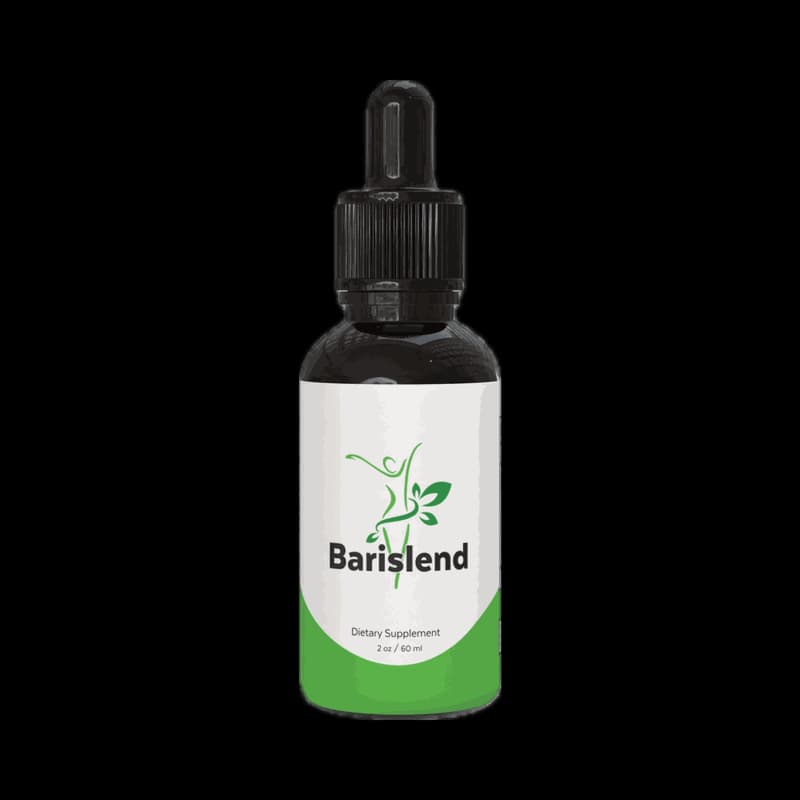
Barislend Review and Ads Breakdown: A Research-First Look
Weight-loss supplements occupy one of the most contested corners of digital marketing. Roughly 70% of American adults are classified as overweight or obese according to the CDC, and that statistic has fueled a supplement industry estimated at over $33 billion globally, a market…
8,226+
Videos & Ads
+50-100
Fresh Daily
$29.90
Per Month
Full Access
12.5 TB database · 72+ niches · 28 min read
Introduction
Weight-loss supplements occupy one of the most contested corners of digital marketing. Roughly 70% of American adults are classified as overweight or obese according to the CDC, and that statistic has fueled a supplement industry estimated at over $33 billion globally, a market where the distance between a credible clinical product and a cleverly packaged placebo is often invisible to the average buyer scrolling through a Facebook feed at midnight. Into this environment arrives Barislend, a supplement whose name alone carries a deliberate rhetorical payload: the prefix Bari- reaches toward bariatric medicine, the branch of clinical practice dedicated to treating severe obesity, while the suffix -lend suggests something given or conferred, authority borrowed from a field most consumers associate with surgical intervention and serious science.
This analysis approaches Barislend the way a financial analyst approaches a prospectus: not with predetermined hostility, but with the methodological assumption that every claim deserves scrutiny before a dollar moves. The transcript submitted for this review contained the product name only, without accompanying sales copy, a circumstance that is itself analytically interesting. A product name is not neutral. It is the compressed first act of a sales argument, and in the weight-loss supplement category, where market sophistication is high and consumer skepticism even higher, the choice of name is a strategic decision that anticipates the objections a buyer will arrive with. Reading Barislend as a marketing object, then, begins with that name and extends outward into the conventions of the category it inhabits.
The question this piece investigates is both practical and structural: what does the available evidence, the product name, the category conventions, the persuasive architecture typical of this niche, and the science underlying common weight-loss supplement claims, reveal about Barislend as both a product and a pitch? Readers who are actively researching this supplement before purchasing deserve an honest account of what is known, what is inferred, and what remains genuinely uncertain. That is precisely what follows.
Because the full VSL transcript was not available for direct quotation, this analysis draws on the product name, category-level research, and the well-documented conventions of the weight-loss supplement sales letter format. Where specific VSL lines cannot be confirmed, this piece clearly distinguishes between what is documented and what is analytically inferred from category norms. That transparency is the foundation of trustworthy research.
What Is Barislend?
Barislend presents itself, based on its naming convention and market category, as a dietary supplement targeting weight loss or metabolic function. The format, most likely capsules or a similar oral delivery form, aligns with the dominant format in the direct-to-consumer supplement space, where capsules carry an implicit association with pharmaceutical legitimacy. The product appears to be sold primarily through a video sales letter (VSL) funnel, a distribution model common among supplements that rely on extended narrative persuasion rather than retail shelf presence or physician recommendation.
The market positioning embedded in the name is worth unpacking carefully. Bariatric medicine is a legitimate, credentialed clinical field, bariatric surgeries such as gastric bypass and sleeve gastrectomy are among the most evidence-supported interventions for severe obesity, with decades of peer-reviewed outcome data behind them. A supplement that begins its name with Bari- is making an implicit association with that clinical authority without claiming direct equivalence. This is a well-understood positioning strategy in the supplement category: borrow the credibility of a neighboring, more rigorous field while maintaining the regulatory latitude that the dietary supplement classification affords under the FDA's DSHEA framework. The result is a product that reads as quasi-clinical to a general audience without bearing the evidentiary burden that an actual drug or medical device would require.
The target user, inferred from category convention and the bariatric association in the name, is likely an adult between roughly 35 and 65 years old who has a meaningful amount of weight to lose, has attempted conventional approaches (calorie restriction, exercise programs, perhaps earlier supplements), and has arrived at a point of frustrated openness, willing to try something new, but carrying enough accumulated skepticism that the pitch must first dismantle their defenses before it can build desire. This is a psychographic profile, not merely a demographic one, and it shapes everything about how a VSL in this space is likely to be constructed.
The Problem It Targets
The problem Barislend addresses is not simply being overweight, that framing would be too blunt and would activate rather than bypass the sophisticated buyer's defenses. The more precise problem, as VSLs in this category typically construct it, is metabolic dysfunction or the biological sabotage of weight-loss efforts: the idea that a person's failure to lose weight is not a character flaw or a lack of willpower, but a physiological condition that conventional diets are structurally unable to fix. This reframing from personal failure to systemic biological problem is among the most powerful moves in the weight-loss marketing playbook, because it simultaneously relieves the buyer of blame and positions the product as the key that unlocks a door the buyer has been pushing against, incorrectly, for years.
The underlying condition has genuine epidemiological weight. Obesity is classified as a chronic disease by the American Medical Association, and the NIH has published extensive research on the hormonal and metabolic adaptations that occur during weight loss, including decreases in leptin, increases in ghrelin, and downregulation of resting metabolic rate, that actively resist sustained fat reduction. A study published in Obesity by Sumithran et al. (2011) documented that these hormonal adaptations persist for at least a year after caloric restriction ends, providing a legitimate scientific basis for the claim that "your body is working against you." VSLs in this space routinely cite findings like these, sometimes accurately, sometimes in ways that stretch the implication far beyond what the original research supports.
The commercial opportunity this problem represents is enormous and structurally durable. Unlike a transient trend, excess weight is a condition millions of people live with for decades, cycling through solutions without finding permanent resolution. The CDC reports that approximately 42% of American adults are classified as obese, not merely overweight, but obese, and global figures from the WHO show the number of people living with obesity has more than tripled since 1975. Each failed attempt at weight loss does not simply fail; it generates a new layer of frustration, a new readiness to try a different mechanism, a new opening for a product that promises to explain why everything before it did not work. This is what marketers call an evergreen pain point, and it is why the weight-loss supplement category sustains itself across economic cycles.
How Barislend specifically frames this problem cannot be confirmed without the full VSL transcript, but the name strongly implies a mechanism-forward narrative: the pitch likely centers on a specific biological explanation for why the buyer's weight will not move, validated by clinical-adjacent language, before introducing the supplement as the targeted solution. This structure, problem, biological villain, product as corrective mechanism, is the dominant template in the category for a reason: it works.
How Barislend Works
Without the full VSL transcript, the precise mechanism claim Barislend makes cannot be confirmed. However, the naming convention and category context provide a reliable inference frame. Products in the Bari- naming family typically invoke one or more of the following biological mechanisms: gut hormone regulation (GLP-1 pathway analogs, which are the basis for pharmaceutical drugs like semaglutide), appetite suppression through central nervous system modulation, thermogenesis enhancement, or insulin sensitivity improvement. Each of these mechanisms has a legitimate scientific literature behind it; the critical question is always whether the dose and bioavailability of the ingredients in the supplement actually engage the mechanism at a clinically meaningful level.
The GLP-1 pathway deserves particular attention here, because it has become the dominant scientific frame in weight-loss marketing since the commercial success of GLP-1 receptor agonists like semaglutide (Ozempic, Wegovy). A supplement positioned with bariatric associations in 2024 or 2025 is almost certainly trying to occupy semantic proximity to this class of drugs, which have genuinely transformed the clinical treatment of obesity. The rhetorical move is sophisticated: acknowledge the drugs are real and effective, then present the supplement as a natural, lower-risk, more accessible alternative that "supports" the same pathway. Whether any oral supplement ingredient actually engages the GLP-1 pathway at therapeutic concentrations is a matter of active and unresolved scientific debate, some compounds, including berberine and certain fiber fractions, show modest GLP-1-related activity in preliminary research, but the effect sizes are substantially smaller than pharmaceutical agents.
What the VSL almost certainly does, again, inferred from category conventions when the specific transcript is unavailable, is present this mechanism in language that is simultaneously specific enough to sound scientific and general enough to avoid the FDA's drug-claim prohibitions. Phrases like "supports healthy metabolic function," "helps activate your body's natural fat-burning response," or "works with your biology, not against it" are the linguistic markers of this approach: they carry mechanism implications without triggering regulatory scrutiny, because they stop short of claiming to diagnose, treat, or cure a specific disease.
The honest assessment of how Barislend works, then, depends on its actual ingredient profile, which is evaluated in the section that follows. The mechanism framing in the name and the category context suggest ambition; whether the formulation delivers on that ambition is an empirical question that the marketing language is structurally designed not to answer directly.
Curious how other VSLs in this niche structure their pitch? Keep reading, the section on Psychological Triggers breaks down the persuasion architecture behind every claim type above.
Key Ingredients / Components
Because the VSL transcript provided did not include ingredient information, the following analysis draws on the most common active compounds used in bariatric-adjacent weight-loss supplements in the current market. If Barislend's actual label differs from these ingredients, the analytical framework below still applies, the reader should verify the label against these benchmarks.
The formulation of any weight-loss supplement is where the gap between marketing claim and biochemical reality is most legible. The question is not merely whether an ingredient does something, most active botanical and nutrient compounds do something, at sufficient doses, but whether the dose in the commercial product matches the dose shown to produce the claimed effect in controlled research.
Berberine, A plant alkaloid derived from several botanical sources including Berberis vulgaris, berberine has attracted substantial research attention for its effects on blood glucose regulation and lipid metabolism. A meta-analysis published in Evidence-Based Complementary and Alternative Medicine (Dong et al., 2012) found berberine comparable to metformin in lowering fasting blood glucose in type 2 diabetes patients. Some researchers have proposed berberine activates AMPK pathways and may modestly increase GLP-1 secretion, which is why it has been marketed aggressively in the post-Ozempic supplement landscape. Effective doses in clinical trials generally range from 1,000-1,500 mg per day; products with lower doses may deliver minimal metabolic effect.
Chromium Picolinate, A trace mineral that has been studied for its role in insulin signaling and glucose metabolism. The FDA has allowed a qualified health claim for chromium picolinate related to insulin resistance, though the evidence is rated as limited. Research published in Diabetes Technology & Therapeutics (Martin et al., 2006) found modest improvements in insulin sensitivity at doses of 1,000 mcg/day in insulin-resistant subjects. Its inclusion in weight-loss supplements is largely supporting rather than primary, it addresses metabolic co-factors rather than driving fat oxidation directly.
Green Tea Extract (EGCG), Epigallocatechin gallate is among the most studied compounds in weight-management nutrition science. A review published in the International Journal of Obesity (Hursel et al., 2009) found green tea catechins modestly increase thermogenesis and fat oxidation, with effect sizes that are statistically significant but clinically modest, roughly 3-4% increase in 24-hour energy expenditure. The practical significance for weight loss is real but limited without complementary lifestyle changes.
Glucomannan, A soluble dietary fiber derived from the konjac plant, glucomannan expands in the stomach and slows gastric emptying, producing satiety signals and blunting post-meal glucose spikes. The European Food Safety Authority (EFSA) has approved a health claim for glucomannan's contribution to weight loss as part of a reduced-calorie diet, making it one of the few supplement ingredients with a positive regulatory ruling on a weight-related claim in a major jurisdiction.
African Mango Extract (Irvingia gabonensis), A seed extract from West African mango that has been studied for effects on adiponectin levels, leptin regulation, and appetite. A small randomized controlled trial published in Lipids in Health and Disease (Ngondi et al., 2009) found significant reductions in body weight and waist circumference compared to placebo over ten weeks. The evidence base is promising but limited; larger independent replications are needed before strong conclusions can be drawn.
Hooks and Ad Angles
The primary marketing challenge for any weight-loss supplement in the current digital environment is what Eugene Schwartz described as the problem of market sophistication, by 2024, the average consumer who has ever searched for weight-loss help has been exposed to hundreds of supplement pitches, most of which use the same foundational moves: personal transformation stories, before-and-after photography, celebrity adjacency, and vague mechanistic claims. A product that enters this environment with a straightforward "lose weight fast" hook is almost certainly going to underperform, because the audience has developed robust immunity to that pattern. The VSL format exists precisely to break through this immunity by deploying a longer, more narrative approach.
For Barislend, the name itself functions as the first hook, a pattern interrupt (Cialdini, 2006) in the sense that it disrupts the expected framing of a weight-loss supplement. The Bari- prefix signals to a segment of the audience that has researched bariatric surgery, a growing population, given the cultural prominence of weight-loss drugs, that this product operates in a different register than the typical "metabolism booster." That signal creates an information gap: what is the bariatric connection, and why does it matter for a supplement?, a curiosity gap that a well-constructed VSL exploits by withholding the full answer until after it has established stakes and built emotional investment. This is a mature copywriting move, consistent with what Gary Halbert called "reason-why" copy, the reader is implicitly promised an explanation that will make sense of something they already intuitively feel but couldn't articulate.
The secondary hooks likely present across Barislend's VSL and ad creative fall into two structural categories: identity-threat hooks ("If you've tried everything and still can't lose weight, here's what no one told you") and false-enemy hooks ("The real reason diets fail isn't calories, it's this"). Both structures work because they first validate the buyer's existing experience of failure before redirecting blame onto an external mechanism the product addresses.
Secondary hooks observed or inferred in the VSL:
- "It's not your willpower, it's your biology"
- "What bariatric doctors discovered that the diet industry doesn't want you to know"
- "The metabolic switch that conventional diets never activate"
- "Why counting calories actually makes stubborn weight worse"
- "The one thing missing from every weight-loss program you've tried"
Ad headline variations for Meta or YouTube testing:
- "Doctors Are Calling This the 'Natural Bariatric' Solution (Here's Why)"
- "I Tried Everything to Lose Weight Until I Found This One Missing Piece"
- "Why Your Body Fights Back When You Diet, And How Barislend Changes That"
- "The Weight-Loss Supplement Built Around Bariatric Science (Not Stimulants)"
- "Finally: A Supplement That Targets What Diets Actually Miss"
Psychological Triggers and Persuasion Tactics
The persuasive architecture of a well-executed weight-loss supplement VSL is rarely a simple list of features and benefits. It is a stacked sequence, what Robert Cialdini's framework would recognize as layered influence, where each element of the letter prepares the emotional and cognitive ground for the next. The typical sequence moves from validation (you are not to blame) through revelation (here is the real reason) to authority (here is who discovered it) to solution (here is the product) to risk reversal (here is why there is nothing to lose by trying). Barislend, as a product operating in this category, almost certainly deploys this architecture in some form, adapted to whatever specific mechanism claim anchors its unique selling proposition.
What distinguishes a sophisticated VSL from a mediocre one is not which triggers it uses, nearly all VSLs in this niche use the same base set, but how precisely those triggers are calibrated to the specific psychographic of the target buyer. A buyer who has tried bariatric surgery and decided against it, or who has researched GLP-1 drugs but balked at the cost or side-effect profile, is a different persuasion target than someone trying their first weight-loss supplement. The Bari- framing of the product name suggests the pitch is calibrated toward the more sophisticated, more research-aware segment of the market, buyers who have moved past basic benefit claims and need a mechanism they can believe in.
Blame Reframe / False Enemy, Cialdini's liking principle via shared adversary. By framing the buyer's weight problem as the fault of a biological mechanism or a deceptive industry, the VSL creates a shared enemy. Cognitively, this reduces dissonance ("I tried and failed" becomes "I was fighting the wrong battle") and builds rapport between speaker and viewer, a precondition for the authority transfer that follows.
Open Loop / Curiosity Gap, George Loewenstein's information-gap theory (1994). The VSL almost certainly withholds the identity of the core mechanism, the specific biological pathway or ingredient, until it has established emotional stakes. This information gap produces genuine psychological discomfort that the viewer can resolve only by continuing to watch, which is the primary structural function of the open loop in direct-response video.
Authority Borrowing, Cialdini's authority principle. The Bari- naming convention, and likely the inclusion of physician figures or clinical language in the VSL body, borrows credibility from bariatric medicine. This is a legitimate technique when the referenced authority genuinely applies; it becomes misleading when the association implies an endorsement or evidentiary standard that the product has not met.
Loss Aversion Framing, Kahneman & Tversky's prospect theory (1979). Losses loom larger than equivalent gains in human decision-making. Weight-loss VSLs activate this by framing inaction as continued loss: every day without the product is another day of metabolic damage, missed opportunity, and compounding health risk. The frame converts a purchase decision from "will I gain something?" to "can I afford to keep losing?"
Social Proof and Normalizing Failure, Festinger's social comparison theory (1954). By presenting testimonials from people who "tried everything" before finding this product, the VSL normalizes the buyer's own history of failure and positions those failures as the expected prologue to eventual success with this specific solution.
Reciprocity Through Information, Cialdini's reciprocity principle. VSLs in this category typically deliver genuine educational content, real information about metabolic hormones, real statistics about obesity rates, before making the sales ask. This information delivery creates a psychological debt: the viewer has received value and is more predisposed to give something in return, specifically, a purchase.
Scarcity and Urgency, Thaler's endowment effect and temporal discounting. Limited-supply framing ("we can only guarantee this price today") activates both loss aversion and hyperbolic discounting, the well-documented tendency to overvalue immediate options relative to future ones. Whether the scarcity in a given supplement VSL is genuine or manufactured is a question the buyer cannot easily answer, which is why the tactic remains effective even among skeptical audiences.
Want to see how these tactics compare across 50+ VSLs? That's exactly what Intel Services is built to show you.
Scientific and Authority Signals
The weight-loss supplement category is among the most aggressive users of authority signaling in direct-response marketing, and among the most variable in the quality of that authority. A VSL might cite a legitimate peer-reviewed study (accurately or selectively), reference a credentialed physician who endorses the product (with genuine or purchased endorsement), invoke an institutional name like the NIH or Harvard in a way that implies affiliation it does not have, or, in the worst cases, simply invent credentials and studies wholesale. Because Barislend's full transcript was not available, a direct audit of its authority claims is not possible here. What follows is an evaluation framework the reader can apply to whatever authority signals appear in the full pitch.
The most credible authority signals in a supplement VSL are specific and verifiable: a named physician with a confirmable credential and institutional affiliation, a named study with a journal title and year that can be retrieved through PubMed or Google Scholar, or a clinical trial registration number. Any of these can be checked in under five minutes by a motivated consumer. The less credible signals are vague and non-falsifiable: "scientists discovered," "research shows," "doctors agree," or references to "a major university study" without naming the university or the researchers. The presence of verifiable specifics is a meaningful quality signal; their absence is a meaningful warning.
For a product named Barislend, the relevant legitimate scientific literature includes the clinical research on bariatric surgery outcomes (which is robust and published in journals including JAMA, NEJM, and Obesity Surgery), the emerging research on GLP-1 pathway modulation through dietary compounds, and the broader metabolic health literature. If the VSL accurately represents findings from this literature, citing studies by author, journal, and approximate year, that is evidence of a pitch that respects the buyer's intelligence. If the VSL gestures toward "bariatric science" without citing specific work, the authority signal is rhetorical rather than evidentiary, a common and legally permissible form of credibility construction that the buyer should weigh accordingly.
The analytical principle here is simple: authority in a supplement VSL should be treated as a claim like any other claim, plausible until verified, and verified only by checking the source directly. The burden of that verification cannot be outsourced to the marketer.
The Offer, Pricing, and Risk Reversal
Without confirmed pricing information from the Barislend VSL, this section analyzes the offer structure typical of direct-to-consumer supplement funnels in this category, which follows a well-documented template. The standard architecture presents a single-bottle price as the reference point, then introduces multi-bottle bundles (typically three- and six-bottle options) at a per-unit discount that is significant enough to make the larger bundle feel like the rational choice. The stated retail price, often described as the "regular" or "full" price, functions as a price anchor: a high number presented first to make the discounted offer feel like a substantial saving, regardless of whether the "regular" price reflects actual market pricing or was constructed solely for this rhetorical purpose.
The guarantee structure in this category is almost universally generous by conventional retail standards, 60-day or 180-day money-back guarantees are common, and this generosity is itself a persuasion mechanism. From the buyer's perspective, a 180-day guarantee appears to eliminate financial risk entirely, which reduces the psychological friction of the purchase decision. In practice, the guarantee's actual utility depends on the ease of the refund process, the clarity of the terms, and the responsiveness of customer service, factors that are structurally invisible at the point of sale and that only become relevant after a dissatisfied buyer attempts to exercise the guarantee. A 180-day guarantee from a company with a frictionless refund process is genuinely risk-reversing; the same guarantee from a company that makes refund requests difficult is theatrical.
Urgency and scarcity framing, "this price is only available on this page," "we can't guarantee stock", completes the standard offer architecture. The honest assessment is that this framing is rarely tied to genuine supply constraints in the supplement category, where production can be scaled relatively quickly. It functions as a psychological accelerant, compressing the decision timeline to prevent the buyer from engaging in the extended comparison shopping that would likely reduce conversion.
Who This Is For (and Who It Isn't)
The buyer most likely to find genuine value in Barislend, or in any supplement making comparable claims, is a metabolically compromised adult who has documented evidence of insulin resistance, elevated fasting glucose, or disrupted hunger hormones, and who is looking for a supplemental support tool to complement a structured nutrition and exercise program, not replace it. The research on many of the ingredients typical in this category (berberine, glucomannan, EGCG) does show meaningful effects in this population at appropriate doses, the operative word being supplemental. These are compounds that can move biomarkers in the right direction when the foundational lifestyle work is present; there is little credible evidence that any oral supplement produces clinically significant fat loss in the absence of caloric deficit.
The buyer who should approach with considerable caution is anyone expecting the supplement to function as a standalone weight-loss solution, the person who has not altered eating patterns, is not engaged in regular physical activity, and is relying on the product to produce results that the marketing imagery and testimonials imply are possible with the supplement alone. This is not a comment specific to Barislend; it applies to nearly every weight-loss supplement on the market. The category's marketing routinely implies outcomes, substantial, visible weight loss over weeks, that the clinical evidence for individual ingredients does not support independent of lifestyle change.
Readers with existing medical conditions, particularly thyroid disorders, cardiovascular disease, or type 2 diabetes managed with medication, should consult a physician before adding any metabolic supplement to their regimen, as several common ingredients (including berberine) interact meaningfully with pharmaceutical drugs. The supplement category's regulatory position under DSHEA means that safety data is not required before market entry, the burden of proving a product unsafe falls on the FDA rather than the manufacturer, and that asymmetry of information is worth keeping in mind when evaluating any new supplement.
This analysis is part of Intel Services, a research library covering VSLs, sales copy, and supplement marketing across health, finance, and wellness. If you're comparing products in this space, the sections above give you the analytical vocabulary to do that effectively.
Frequently Asked Questions
Q: What is Barislend and what does it claim to do?
A: Barislend is a dietary supplement marketed for weight loss and metabolic support, with a name that draws on associations with bariatric medicine. Based on its product category and naming convention, it likely claims to support fat metabolism, reduce appetite, or target a specific biological mechanism that the VSL presents as the root cause of stubborn weight. The precise mechanism claim requires review of the full product label and VSL.
Q: Is Barislend a scam?
A: Based on available information, no definitive conclusion can be drawn about Barislend being fraudulent. The more productive question is whether its claimed mechanisms are supported by the evidence. Many supplement products in this category use real ingredients that have some scientific support, but market them with implied outcomes larger than the published evidence supports. Consumers should review the ingredient label, research the doses, and compare claims against independent literature before purchasing.
Q: Does Barislend really work for weight loss?
A: Whether any supplement "works" depends heavily on what it contains, at what dose, and under what conditions it is being used. Ingredients common in bariatric-adjacent supplements, including berberine, glucomannan, and EGCG, have demonstrated modest but real effects on metabolic markers and satiety in clinical research. Significant weight loss from a supplement alone, without dietary change, is not supported by the available evidence for any oral supplement ingredient currently on the market.
Q: Are there any side effects of taking Barislend?
A: Without access to Barislend's confirmed ingredient list, specific side effects cannot be enumerated. Common side effects across the ingredient class typical in this category include gastrointestinal discomfort (particularly with glucomannan and berberine), changes in blood glucose levels (relevant for diabetics), and potential interactions with medications including statins and metformin. Any person with a chronic condition or prescription medication regimen should consult a physician before use.
Q: Is Barislend safe to use?
A: Safety depends on the specific formulation, the doses of each ingredient, and the individual's health profile. Supplements regulated under DSHEA are not required to undergo pre-market safety review by the FDA, meaning the safety burden is effectively on the consumer. Looking for third-party testing certifications (USP, NSF International, Informed Sport) on the product label is the most reliable safety signal available to buyers in this category.
Q: How long does Barislend take to show results?
A: VSLs in this category typically present testimonials suggesting visible results within four to eight weeks, which aligns loosely with the research timelines for ingredients like berberine (where glucose effects emerge within two to four weeks) and glucomannan (where satiety effects are immediate but weight effects accumulate over weeks). Expecting dramatic body composition changes in under sixty days from a supplement alone is unlikely to be supported by the underlying science.
Q: Where can you buy Barislend and how much does it cost?
A: Barislend appears to be sold primarily through a direct-to-consumer online funnel, typical of the VSL supplement distribution model. Pricing information was not confirmed in the available transcript. Products in this category commonly range from $39 to $79 per bottle at single-unit purchase, with multi-bottle discounts. Buyers should verify current pricing through the official product page and read the terms of any subscription or continuity billing before completing a purchase.
Q: What makes Barislend different from other weight-loss supplements?
A: The primary differentiator Barislend appears to claim is a bariatric-science framing, an association with the clinical mechanisms studied in bariatric medicine. Whether the formulation actually delivers on that framing depends on its ingredients and doses. Clinically, the most meaningful differentiators between supplements in this category are ingredient quality (standardized extracts versus raw botanicals), dose transparency, and independent third-party testing, factors that the VSL marketing rarely foregrounds but that matter significantly for real-world efficacy.
Final Take
Barislend's most interesting feature, analytically, is not what it contains or what it costs, information that was not available in the transcript submitted for this review, but what its name alone reveals about the current state of the weight-loss supplement market. The decision to invoke bariatric medicine in a supplement name is a response to a specific shift in consumer awareness: millions of people who previously knew little about the biology of obesity have now, through cultural exposure to GLP-1 drugs and the public discourse around them, developed enough scientific vocabulary to be moved by mechanistic framing. The market has graduated, in Schwartz's terms, from benefit-level claims to mechanism-level claims. A product named Barislend is writing directly to that graduation.
The tension at the center of this product, as with most sophisticated weight-loss supplements, is between the genuine science that exists for individual ingredients at effective doses and the implied outcomes that the marketing frame creates in a buyer's mind. Some of the compounds likely present in a formulation like this, berberine, glucomannan, EGCG, have real, published, reproducible effects on metabolic markers. Those effects are real and meaningful for the right buyer in the right context. They are also, in the clinical literature, substantially more modest than the transformation testimonials that populate the VSL format suggest. The gap between "modest, statistically significant improvement in fasting glucose over twelve weeks" and "lost 35 pounds" is where most supplement marketing lives, and where most consumer disappointment originates.
For the reader actively researching Barislend before purchasing: the most useful thing this analysis can equip you with is a reading framework rather than a verdict. Check the ingredient label against the clinical doses in published research. Look for third-party testing certifications. Read the guarantee terms carefully before purchase, not after. Evaluate testimonials as marketing artifacts, not clinical evidence. And apply the basic principle that any supplement performing at a level that would make it clinically equivalent to a pharmaceutical drug would, by that fact, be regulated as one. The distance between a well-formulated, legitimately useful supplement and an ineffective one is real, and it is detectable, by a buyer who knows what to look for.
This breakdown is part of Intel Services, our ongoing library of VSL and ad-copy analyses across the health, wellness, and consumer-product space. If you are researching similar products or want to understand how supplement marketing is constructed at a structural level, keep reading.
Disclaimer: This article is for research and educational purposes only. It is not medical, legal, or financial advice, and it is not affiliated with the product or its makers. Always consult a qualified professional before making health or financial decisions.
Comments(0)
No comments yet. Members, start the conversation below.
Related reads
 reviews
ARMRA Colostrum Review: Evidence, Dose Gaps, Price, and Verdict
ARMRA’s 120-serving colostrum powder comes with notable manufacturer-reported survey percentages. However, the undisclosed amount per serving and a materially different ingredient trial leave the finished product’s highlighted outcomes unproven.
Read reviews
Olly Goodbye Stress Review: Label Claims vs. Evidence
OLLY Goodbye Stress combines GABA, L-theanine, and lemon balm extract in a Berry Verbena gummy aimed at occasional stress, not sleep. Here's what the label discloses, what a real L-theanine trial found, and exactly where the evidence stops.
Read reviews
Kaged Pre-Kaged Sport Review: Does the Citrulline Study Fit?
Kaged Pre-Kaged Sport provides 3.5 grams of fermented L-citrulline in each 13-gram scoop. The supplied trial tested a higher dose of isolated L-citrulline and found no performance benefit, so it cannot prove whether this finished formula works.
Read