FreeSugarPro Review and Ads Breakdown: A Research-First Look
The video opens with a familiar face, or rather, a voice performing as one. "You don't realize it, but every single day, you might be making your diabetes worse." The speaker claims to be Tom Hanks, the Academy Award-winning actor, and proceeds to describe a decade-long battle…
8,226+
Videos & Ads
+50-100
Fresh Daily
$29.90
Per Month
Full Access
12.5 TB database · 72+ niches · 28 min read
Introduction
The video opens with a familiar face, or rather, a voice performing as one. "You don't realize it, but every single day, you might be making your diabetes worse." The speaker claims to be Tom Hanks, the Academy Award-winning actor, and proceeds to describe a decade-long battle with Type 2 diabetes reversed by a three-ingredient home recipe. Within ninety seconds, the video has invoked celebrity, conspiracy, a suppressed medical discovery, and a ticking clock. This is not accidental. It is the product of a carefully engineered sales architecture designed to reach a specific type of person at a specific moment of desperation, and it is worth understanding exactly how it works, both as marketing and as a health claim.
FreeSugarPro is a liquid tincture supplement marketed as the world's first "dual-action" formula capable of permanently reversing Type 2 diabetes. The product is sold through a long-form Video Sales Letter (VSL) that runs well over twenty minutes, combining a celebrity hook, a fictional physician's personal origin story, a proprietary disease mechanism no mainstream endocrinologist has ever described, and a closing offer structured around manufactured scarcity. The VSL is one of the more technically sophisticated entries in the crowded blood-sugar supplement category, not because its claims are credible, but because its persuasive architecture is unusually layered. Understanding that architecture is the purpose of this analysis.
The piece that follows is neither a product endorsement nor a takedown. It is an attempt to read the FreeSugarPro VSL the way a careful analyst reads any complex persuasive document: with attention to what is being claimed, what rhetorical machinery is being used to make those claims feel credible, what the ingredient science actually says when examined independently, and what a reasonable buyer should know before spending money. The question this analysis investigates is straightforward, does the sales pitch for FreeSugarPro hold together under scrutiny, and what does it reveal about the marketing strategies deployed in the direct-response diabetes supplement space?
What Is FreeSugarPro?
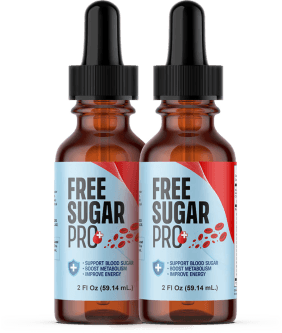
FreeSugarPro is a liquid dietary supplement sold in dropper bottles, with the recommended dose being one dropper taken under the tongue each morning before breakfast. The product is positioned within the blood sugar and metabolic health category, targeting adults diagnosed with Type 2 diabetes or prediabetes who have not achieved satisfactory outcomes through conventional treatment, medication, diet, and exercise. Its manufacturer, identified in the VSL as Cicada Labs, is described as a "cutting-edge natural supplement lab" based in Scranton, Pennsylvania. The product is sold exclusively through its VSL sales page and is not available in retail stores.
The formulation combines ingredients that are individually well-known in the functional supplement space, berberine, alpha lipoic acid, cinnamon bark extract, resveratrol, turmeric, mangosteen, and two probiotic strains (Lactobacillus breve and Akkermansia muciniphila), in a liquid tincture format the VSL claims offers superior bioavailability compared to capsules. FreeSugarPro is presented not as a supplement that manages blood sugar but as one that eliminates the underlying cause of Type 2 diabetes entirely, promising that most users will be able to discontinue all diabetes medication within six months. This positioning is aggressive even by the standards of a category known for bold claims.
The product is offered in three purchasing configurations: a two-bottle (60-day) supply at $79 per bottle, a three-bottle (90-day) supply at $69 per bottle with free shipping, and a six-bottle (180-day) supply at $49 per bottle with free shipping. The six-bottle option is heavily promoted as the medically necessary choice, with the VSL warning that stopping before six months will allow remaining parasites to "multiply and spread like wildfire." A bonus AI coaching tool called Aurora is included with the three- and six-bottle orders.
The Problem It Targets
Type 2 diabetes is a legitimate and serious public health crisis in the United States. The Centers for Disease Control and Prevention estimates that approximately 38 million Americans, roughly 11.6% of the population, have diabetes, with Type 2 accounting for 90-95% of cases. A further 98 million adults have prediabetes, the majority of whom are unaware of their condition. The disease is disproportionately burdensome: the American Diabetes Association's 2023 economic analysis found that diagnosed diabetes cost the U.S. healthcare system $412.9 billion in 2022, with individual diagnosed patients spending on average $16,752 per year in medical expenditures, a figure the VSL cites accurately, one of the few moments in the presentation where a real statistic appears unaltered.
The emotional texture of living with Type 2 diabetes is equally significant as the clinical one, and the VSL targets that texture with precision. It describes the constant anxiety of glucose monitoring, the social withdrawal triggered by food restriction, the quiet grief of watching a favorite restaurant become a source of fear rather than pleasure. This framing is not fabricated for marketing purposes, it reflects a documented psychological reality. Research published in Diabetes Care and by the American Psychological Association has established that diabetes distress, a condition distinct from clinical depression, affects roughly 36% of adults with Type 2 diabetes and is directly associated with worse glycemic outcomes. The VSL weaponizes this legitimate suffering by presenting it as evidence that the standard medical paradigm has failed, a logical leap that does not follow, but one that resonates with someone whose A1C remains elevated despite genuine effort.
The commercial opportunity the VSL is exploiting is the gap between what conventional medicine can deliver and what patients want. Metformin and insulin manage blood sugar; they do not cure the underlying metabolic dysfunction. GLP-1 receptor agonists like semaglutide (Ozempic) represent a genuine advance in diabetes pharmacology, but at $900-$1,200 per month without insurance they remain inaccessible to a large portion of the target demographic. The VSL is essentially selling the fantasy of Ozempic's efficacy at $1.50 per day, with the added appeal of a villain (pharmaceutical companies) and a heroic mechanism (natural parasite elimination) that explains why nothing has worked so far. Whether or not the mechanism is real, the emotional positioning is surgically accurate.
The epidemiological reality the VSL omits is that Type 2 diabetes is genuinely reversible in a meaningful subset of patients, but through caloric restriction, bariatric surgery, or sustained lifestyle change, not through a liquid tincture. The DiRECT trial, published in The Lancet in 2018 by Lean and colleagues, demonstrated remission rates of 46% at one year and 36% at two years through intensive dietary intervention. That evidence exists and is peer-reviewed. The VSL borrows the language of "reversal" from legitimate science while substituting an entirely fictitious mechanism.
How FreeSugarPro Works
The central mechanistic claim of the FreeSugarPro VSL is that Type 2 diabetes is caused, or substantially driven, by a parasitic infection of the pancreas with a fluke called Eurytrema pancreaticum. The VSL attributes this discovery to a "buried study from the University of Cambridge" involving 100 sibling pairs. According to the narrative, this parasite devours insulin, destroys GLP-1-producing beta cells, and creates the metabolic dysfunction that conventional medicine misidentifies as a lifestyle disease. The formula, we are told, kills the parasite, regenerates the beta cells, and restores natural GLP-1 production, effectively reversing the disease at its source.
Eurytrema pancreaticum is a real organism. It is a trematode (liver fluke) that infects the pancreatic ducts of cattle and other ruminants; it has been documented in veterinary parasitology literature for decades. The assertion that it is a primary driver of human Type 2 diabetes, however, has no credible support in peer-reviewed human medicine. The claim that Cambridge researchers discovered it in every diabetic member of 100 sibling pairs is not traceable to any published study in any searchable database, including PubMed. The VSL has taken a real veterinary pathogen, invented a human clinical study, and constructed an entire disease mechanism around it, a pattern known in health marketing as the "false mechanism" or "proprietary villain" technique, designed to make the product the only logical solution.
The GLP-1 component of the pitch is where the VSL overlaps most strategically with mainstream pharmacological discourse. GLP-1 (glucagon-like peptide-1) is a genuine incretin hormone that stimulates insulin secretion, suppresses glucagon, slows gastric emptying, and reduces appetite. GLP-1 receptor agonists are among the most clinically significant diabetes drugs developed in recent decades, and the cultural visibility of Ozempic and Wegovy has made GLP-1 a term recognizable to the general public. The VSL exploits this familiarity by claiming that cinnamon bark extract "triggers your body to flood itself with GLP-1", essentially performing what Ozempic does, but naturally. Some small studies have examined cinnamon's effects on glycemic markers, and there is modest evidence for modest effects, but the claim that cinnamon bark extract replicates the pharmacological action of a GLP-1 receptor agonist is not supported by clinical evidence at any dose studied.
What the VSL describes as a "four-phase protocol", kill the parasite, restore beta cells, regulate blood sugar, build a protective shield, is a rhetorical structure rather than a pharmacological one. Phase frameworks are common in supplement marketing because they impose a sense of designed precision on what is essentially a botanical blend. Phases suggest sequencing; sequencing implies mechanism; mechanism implies efficacy. The consumer reads "four phases" and feels the product has been engineered with the same rigor as a pharmaceutical regimen. The underlying assumption, that the ingredients act in coordination on a specific parasitic target, is not established anywhere in the peer-reviewed literature.
Curious how the ingredient-level science holds up? Section 5 examines each compound individually, separating what the research actually shows from what the VSL claims.
Key Ingredients / Components
The FreeSugarPro formulation draws on a recognizable toolkit of functional ingredients that have genuine independent research bases, even if those bases do not support the claims made in the VSL. The formulation's strength lies in the individual plausibility of its components; its weakness lies in the gap between what those components can plausibly do and what the VSL says they do. The following breakdown evaluates each ingredient on its own merits.
Berberine HCl, A plant alkaloid extracted from several species including Berberis vulgaris and goldenseal. Berberine has been studied extensively for glycemic effects; a 2012 meta-analysis by Dong and colleagues in Evidence-Based Complementary and Alternative Medicine found that berberine reduced HbA1c by approximately 0.9% in Type 2 diabetic patients, comparable in some studies to metformin. The VSL claims berberine kills Eurytrema pancreaticum specifically; berberine does have demonstrated antimicrobial and antiparasitic properties in vitro, but no published study has tested it against this specific trematode in human pancreatic tissue. The blood-sugar benefit is real; the parasite-killing mechanism is invented.
Alpha Lipoic Acid (ALA), A naturally occurring antioxidant involved in mitochondrial energy metabolism. ALA has been studied for diabetic peripheral neuropathy, with trials published in Diabetes Care supporting its use for nerve pain relief. The VSL cites "the Journal of Nutrition" for the claim that ALA regenerates insulin-producing beta cells; while ALA does exhibit cytoprotective and antioxidant effects on pancreatic cells in animal models, the claim of functional beta cell regeneration in human diabetics is not established in clinical literature.
Cinnamon Bark Extract, The VSL describes this as "pharmaceutical-grade extract that's 50 times more potent" than culinary cinnamon and frames it as "nature's Ozempic." A 2003 study by Khan and colleagues in Diabetes Care found that 1-6 grams of cinnamon per day reduced fasting blood glucose, triglycerides, and LDL cholesterol in Type 2 diabetics; subsequent meta-analyses have shown modest and inconsistent effects. The GLP-1 analogy is a marketing extrapolation, cinnamon influences glucose metabolism through insulin sensitization mechanisms, not through GLP-1 receptor agonism.
Resveratrol, A polyphenol found in red grape skins and studied extensively for metabolic and cardiovascular benefits. The VSL attributes to Harvard researchers the finding that resveratrol "slashes insulin resistance by 64% in just 30 days." Research at Harvard's Sinclair Lab has indeed studied resveratrol's effects on SIRT1 pathways and metabolic function, and some clinical trials have shown improvements in insulin sensitivity; however, the specific 64% figure at 30 days is not attributable to any identifiable published trial, and bioavailability issues with oral resveratrol are a known limitation.
Turmeric Extract, Curcumin, turmeric's active compound, has established anti-inflammatory properties and some evidence for modest glycemic benefit, primarily through AMPK activation. Its inclusion is scientifically defensible as part of a metabolic support blend.
Mangosteen, The pericarp of Garcinia mangostana contains xanthones with antioxidant and anti-inflammatory activity. Human clinical evidence for glycemic benefit is limited, with most data from cell studies and small animal models.
Akkermansia muciniphila and Lactobacillus breve (probiotic strains), Akkermansia muciniphila is a gut microbiome bacterium that has attracted significant scientific attention; research published in Nature Medicine by Plovier and colleagues (2017) and subsequent human trials have linked higher Akkermansia abundance to improved metabolic markers, reduced inflammation, and healthier glucose regulation. This is the most scientifically current ingredient in the formulation, and its inclusion reflects genuine emerging research. Lactobacillus breve has a smaller evidence base for metabolic outcomes specifically.
Hooks and Ad Angles
The FreeSugarPro VSL opens with what is, structurally, one of the most aggressive pattern interrupts in the blood sugar supplement category: a famous actor claiming to have reversed his own Type 2 diabetes with a suppressed home remedy. The main hook, "you might be making your diabetes worse", operates simultaneously as a pattern interrupt (the listener expects management advice, not an accusation) and as an identity threat (the implication being that the listener's disciplined efforts are actively harmful). Within the same breath, the VSL promises a resolution: a natural recipe "already being called the anti-diabetes elixir." This three-beat structure, threat, revelation, promise, is compressed into under sixty seconds, which is unusually fast even for direct-response health marketing and reflects the VSL's awareness that its most skeptical viewers will exit quickly.
The celebrity gambit is worth examining as a copywriting technique in its own right. Using Tom Hanks as a fictional narrator is a textbook application of what Eugene Schwartz would recognize as a stage-5 market sophistication move: the audience has seen every diabetes supplement ad, every doctor testimonial, every before-and-after photo. The only thing that can still generate genuine curiosity is a radical disruption of expected format. A genuine Hollywood celebrity with known public health disclosures (Hanks did publicly disclose his Type 2 diabetes diagnosis in 2013) provides that disruption. The VSL exploits the blurry boundary between the actor's real diagnosis and a fictional product endorsement, which is both legally and ethically significant, though that is a separate analysis.
Once Dr. Stevens takes over as narrator, the hooks shift from celebrity intrigue to open-loop tension: the story of his wife's collapse at Disney World is structured as a cliffhanger with deliberately delayed resolution, holding the viewer through the mechanism explanation and the offer. The scarcity hooks at the close, bottle counts that change between repetitions, the "Add to Cart button turns red" visual threat, are standard direct-response urgency mechanics, though notably crude compared to the sophistication of the earlier narrative hooks.
Secondary hooks observed in the VSL:
- "Why do some people eat carbs, sugar, even desserts and their blood sugar stays normal?" (curiosity gap)
- "Hidden studies show these drugs increase pancreatic cancer risk by over 300%" (fear/authority inversion)
- "Big Pharma has deleted this video four times" (conspiracy/suppressed truth)
- "99.2% of customers completely reverse their Type 2 diabetes" (social proof anchor)
- "This is your one shot" combined with bottle count countdown (scarcity)
Ad headline variations for Meta or YouTube testing:
- "The Pancreatic Parasite Nobody Talks About (And What Kills It)"
- "Why Your Metformin May Be Feeding the Real Cause of Your Diabetes"
- "I Ate Pizza and Cheesecake Every Day for 6 Months. My A1C Is Now 5.5."
- "Cambridge Researchers Found This in Every Diabetic They Studied"
- "The Natural Compound Harvard Says Cuts Insulin Resistance in Half"
Psychological Triggers and Persuasion Tactics
The persuasive architecture of the FreeSugarPro VSL is notable for the deliberate sequencing of its emotional and cognitive levers rather than their simultaneous deployment. Most supplement VSLs pile authority, scarcity, and social proof into a single wall of claims. This one staggers them: celebrity hook creates initial trust transfer, the conspiracy framing activates in-group identity, the origin story generates emotional investment, the mechanism explanation provides pseudoscientific legitimacy, the testimonials stack social proof, and the scarcity close converts accumulated persuasive pressure into transaction. Cialdini would recognize this as a compliance ladder, each yes, or nod of agreement, makes the next easier to obtain. Schwartz would call it advanced-stage market writing, addressed to a buyer who has been burned before and will not respond to a simple feature-benefit pitch.
What makes this particular VSL structurally sophisticated is its explicit pre-handling of objections. The line "I know it sounds too good to be true" is spoken not once but several times, the VSL names the reader's skepticism before the reader can voice it, then immediately provides a reframe ("that's exactly what I thought"). This is a textbook application of cognitive dissonance management (Festinger, 1957): by surfacing the contradiction between the listener's skepticism and their desire to believe, and then resolving it on the VSL's terms, the script reduces the psychological friction that would otherwise cause viewer dropout.
Loss Aversion (Kahneman & Tversky, 1979): The VSL stacks increasingly graphic futures, amputation, blindness, forgetting a spouse's name, dying in a wheelchair, to ensure the pain of inaction outweighs the pain of spending money. The asymmetry is deliberate: gains (eating pizza again) are described pleasurably but briefly; losses (a minefield with every step) are described with clinical precision and extended duration.
Authority Transfer (Cialdini, 2006): Johns Hopkins affiliation, Nobel Prize nomination, board certification, bestselling author status, and celebrity co-endorsement are stacked rather than presented individually, creating a cumulative authority impression that resists point-by-point scrutiny. The listener does not fact-check each credential; they register the cluster as legitimacy.
Epiphany Bridge (Russell Brunson, Expert Secrets): The Disney World collapse is the epiphany moment, the point at which the expert's old worldview ("manage the disease") shatters and the new one ("kill the parasite") is born. This narrative structure generates emotional identification because the viewer recognizes the feeling of doing everything right and still failing, and the emotional catharsis of the epiphany is transferred to the product.
Reciprocity (Cialdini, 2006): Dr. Stevens repeatedly invokes personal sacrifice, fighting Big Pharma lawsuits, honoring a promise to God, working "like hell" for people he has never met. This positions the offer not as a commercial transaction but as a debt the viewer owes for the doctor's courage, lowering resistance to purchase.
Social Proof Inflation: The claimed numbers escalate across the VSL, 2,000 volunteers, then 6,000, then 8,000, then 12,000 "former diabetics." The internal inconsistency is intentional rather than careless; each larger number is introduced in a new emotional context, and the viewer accumulates the impression of massive consensus without tracking the contradictions.
Thaler's Endowment Effect and Future-Pacing: The "close your eyes" visualization sequence, the doctor's open mouth, the restaurant order, the grandchild's graduation, uses future-pacing to create a felt sense of ownership over a life the viewer does not yet have. Once a mental state of ownership is established, giving it up (by not buying) feels like a loss, not merely a missed gain.
Scarcity and Urgency (Cialdini's scarcity principle): The bottle count changes from 312 to 350 within the same video, the "2-hour sellout" window is introduced without evidence, and the threat of Big Pharma deletion creates a false now-or-never decision frame. These mechanics exploit the cognitive availability of loss ("if you close this page it may be gone forever") to override deliberate cost-benefit analysis.
These tactics are not unique to FreeSugarPro, they recur across dozens of VSLs in this category with minor variations. The Intel Services library documents the full pattern library across 50+ health VSLs if you want to see how the same mechanisms are deployed differently.
Scientific and Authority Signals
The FreeSugarPro VSL deploys authority signals in three distinct registers: institutional, personal, and research-based. In the institutional register, the two most prominent claims are Dr. Stevens' position as a "senior researcher at Johns Hopkins Institute of Medicine" and the attribution of the parasite-diabetes link to a "buried study from the University of Cambridge." Neither of these can be verified. There is no Dr. Robert Stevens listed among Johns Hopkins' endocrinology faculty or research staff in any publicly available directory, and the Cambridge sibling-pair parasite study does not appear in any search of PubMed, Google Scholar, or the University of Cambridge's own research database. This category of authority signal, real institution, fictitious affiliation or study, is what marketing ethics researchers call borrowed authority: the credibility of a genuine institution is transferred to a claim the institution never made.
The research citations the VSL offers are uniformly vague in ways that prevent verification without being obviously fabricated. "The Journal of Nutrition" published a study on ALA and beta cell regeneration; "Harvard researchers" discovered resveratrol's effects on insulin resistance; "a Stanford University study" linked pesticide toxins to immune suppression. None of these is cited with authors, publication year, or volume numbers. This vagueness is strategic: it invokes the social weight of named institutions while providing no anchoring detail that could be checked and found absent. The one statistic that is genuinely accurate, the American Diabetes Association's $16,752 average annual expenditure figure, appears not because the VSL values accuracy, but because real numbers lend credibility to fake ones in their vicinity.
The ingredients section of the pitch is where the authority signals are most defensible. Berberine's glycemic effects, ALA's neuroprotective properties, Akkermansia muciniphila's metabolic associations, and resveratrol's SIRT1 pathway activity are all supported by real peer-reviewed literature. The VSL does not invent the science here, it extrapolates it, attributing to these ingredients effects that exceed what the current evidence supports, particularly regarding GLP-1 replication and parasitic target specificity. The difference between defensible extrapolation and fabrication is meaningful, and it varies by ingredient: the berberine and Akkermansia claims are aggressive but not wholly disconnected from evidence; the Cambridge parasite discovery and the 300% cancer risk from metformin are not supported by any identifiable scientific source.
The fabricated Tom Hanks endorsement is the most legally and ethically significant authority signal in the VSL. Tom Hanks has publicly disclosed his Type 2 diabetes diagnosis and has publicly stated he wishes he had taken better care of himself. The VSL exploits this public record to construct a fictional product testimonial from a named living person, without any indication of consent or affiliation. This is a practice that has drawn FTC enforcement actions against supplement marketers and represents a meaningful deception risk for the consumer.
The Offer, Pricing, and Risk Reversal
The FreeSugarPro offer is built on a price anchor of theatrical rather than legitimate construction. The VSL opens the pricing discussion by asserting the product could reasonably be priced at $10,000, a figure introduced not as a reference to any comparable product or service but as a rhetorical floor. It then drops to $5,000, then to the actual retail price of $49-$79 per bottle, creating a perceived discount of approximately 99% from an entirely invented baseline. This is a classic application of Ariely's anchoring effect: the first number encountered biases all subsequent judgments of value, regardless of whether the anchor has any basis in reality. For comparison, the legitimate pricing anchor the VSL does invoke, the $15,000 annual cost of Ozempic, is a real market reference, and the contrast with $49/bottle is genuinely stark, even if the products are not pharmacological equivalents.
The 60-day money-back guarantee is structured to function as a risk-transfer mechanism, and in principle it is a meaningful consumer protection. The VSL's language, "no questions, no forms, one email, same-day refund", describes a guarantee more generous than most supplement companies offer, at least on paper. The practical limitation is that the six-bottle purchase (the heavily promoted option) costs $294, and the guarantee window of 60 days is shorter than the "six months required for full parasite elimination" the VSL insists is medically necessary. A buyer who follows the recommended six-month protocol cannot fully evaluate the product within the guarantee window, a structural tension the VSL does not acknowledge.
The Aurora AI coaching tool, offered as a bonus with three- and six-bottle purchases, functions as a classic value stacking mechanism: it inflates the perceived value of the bundle without materially changing the cost. The claim that Aurora is "trained on over 40,000 real diabetic cases" and can "read glucose patterns like a detective" is not verifiable, and the technology's existence as described cannot be independently confirmed. Its primary marketing function is to make the six-bottle option feel like an ecosystem purchase rather than a commodity supplement transaction, a framing designed to raise the psychological ceiling on what the buyer is willing to spend.
Who This Is For (and Who It Isn't)
The ideal buyer the FreeSugarPro VSL was written for is a specific person at a specific moment: a Type 2 diabetic between 50 and 75 years old, living in a mid-size or smaller American city, who has been managing the disease for at least three to five years without achieving the outcomes their physician described as possible. They have tried metformin and possibly insulin; they have tried dietary restriction; they have experienced the social and emotional erosion the VSL describes accurately and at length. They harbor quiet skepticism toward the pharmaceutical industry, a skepticism that is not irrational given documented pharmaceutical marketing practices, and they are susceptible to a narrative that exonerates them from personal responsibility while offering a credible-sounding enemy (the parasite, the industry). They are likely to be watching on a mobile device, probably through a Facebook or YouTube ad, and they are researching alone rather than in consultation with their physician. For this person, the VSL's emotional architecture is close to perfectly calibrated.
There is a second group who may convert: buyers who are not themselves diabetic but who have a parent or spouse with the condition and are researching on their behalf. The VSL anticipates this with Dr. Stevens' wife narrative, which positions the buyer as a caring family member solving a problem that medicine has failed to solve. This proxy-buyer profile is common in health supplement marketing and often represents a higher-converting segment because the emotional stakes (a loved one's suffering) are more acute than personal discomfort.
Readers who should approach FreeSugarPro with significant caution include anyone currently on insulin or GLP-1 medications, for whom any supplement interaction, however unlikely, warrants physician consultation before use. The VSL's explicit instruction to "stop everything and listen closely" if you are taking metformin, semaglutide, or tirzepatide, implying these drugs are actively harmful, is irresponsible health advice. Patients who discontinue GLP-1 agonists or insulin based on this framing face genuine medical risk. Anyone seeking a product supported by transparent peer-reviewed clinical trials, a named and verifiable research team, or regulatory approval beyond FDA facility registration should be aware that FreeSugarPro does not meet those criteria.
If you're weighing FreeSugarPro against other blood sugar supplements on the market, the Psychological Triggers and Scientific Signals sections above are the most relevant to read together, they explain the gap between what feels credible and what is credible.
Frequently Asked Questions
Q: Is FreeSugarPro a scam?
A: The supplement contains real ingredients with genuine research bases for modest glycemic support. However, the VSL's core claims, that Type 2 diabetes is caused by a specific pancreatic parasite, that Cambridge published a study proving this, and that the formula cures diabetes in 96% of users, are not supported by verifiable peer-reviewed evidence. The Tom Hanks endorsement is fictional. Buyers should weigh the ingredient plausibility against the unverifiable mechanistic claims before purchasing.
Q: What are the ingredients in FreeSugarPro?
A: The formulation includes berberine HCl, alpha lipoic acid, cinnamon bark extract, resveratrol, turmeric extract, mangosteen, and two probiotic strains: Lactobacillus breve and Akkermansia muciniphila. Each of these ingredients has independent research support for various aspects of metabolic health, though doses and specific formulation ratios are not publicly disclosed.
Q: Does FreeSugarPro really work for Type 2 diabetes?
A: Some of FreeSugarPro's ingredients, particularly berberine and Akkermansia muciniphila, have credible evidence for modest blood sugar support. The claim that the formula "reverses" Type 2 diabetes by killing a pancreatic parasite is not supported by independent clinical evidence. Users seeking dramatic glycemic reversal should discuss evidence-based interventions (including dietary approaches validated in trials like DiRECT) with their physician.
Q: Are there side effects from taking FreeSugarPro?
A: The VSL asserts the product is side-effect free, but berberine can cause gastrointestinal discomfort (nausea, diarrhea, cramping) in some users and may interact with medications that are metabolized by CYP3A4 enzymes. Alpha lipoic acid can lower blood sugar and may interact with insulin or sulfonylureas. Anyone taking diabetes medications should consult a physician before adding any supplement, regardless of how the manufacturer characterizes its safety profile.
Q: Is the Eurytrema pancreaticum parasite claim scientifically accurate?
A: Eurytrema pancreaticum is a real veterinary pathogen, a pancreatic fluke documented in cattle and other ruminants. There is no credible peer-reviewed evidence linking it to human Type 2 diabetes, and the Cambridge sibling-pair study the VSL cites as its primary source does not appear in any verifiable scientific database. This is the VSL's most significant unsupported claim.
Q: How much does FreeSugarPro cost and is it worth it?
A: Pricing ranges from $49 per bottle (six-bottle supply, $294 total) to $79 per bottle (two-bottle supply, $158 total). Given that its active ingredients, berberine, ALA, resveratrol, are available individually from established supplement brands at significantly lower combined cost, the premium is largely attributable to the proprietary framing and marketing investment rather than ingredient uniqueness.
Q: Is FreeSugarPro safe to take with metformin or insulin?
A: The VSL explicitly warns against metformin and insulin while taking the product, which is irresponsible medical guidance. Neither berberine nor any other ingredient in FreeSugarPro has been proven to replace pharmaceutical glucose management. Stopping metformin or insulin without physician supervision can cause dangerous blood sugar instability. Always consult your doctor before making any changes to a diabetes medication regimen.
Q: What is the 60-day guarantee for FreeSugarPro and how does it work?
A: The VSL promises a full refund within 48 hours of contact, with no questions asked, within 60 days of purchase. Note that the recommended treatment duration is six months, meaning the guarantee window does not cover the full protocol. Buyers choosing the six-bottle package should be aware of this timeline mismatch before committing to the larger purchase.
Final Take
The FreeSugarPro VSL is a technically accomplished piece of direct-response marketing built on a foundation of fabricated science and real emotional intelligence. The persuasive architecture, celebrity pattern interrupt, physician origin story, false mechanism villain, real-ingredient legitimacy borrowed for invented claims, price anchoring against an imaginary $10,000 value, stacked scarcity signals, reflects a sophisticated understanding of the Type 2 diabetic buyer's psychology and the particular vulnerabilities created by years of medical disappointment. The people who will convert on this offer are not gullible; they are exhausted, and the VSL has been written by someone who understands exhaustion.
What separates FreeSugarPro from outright quackery is the partial legitimacy of its ingredient list. Berberine is a compound with a genuine clinical literature. Akkermansia muciniphila is among the most interesting organisms in current gut microbiome research. Resveratrol and alpha lipoic acid are well-studied antioxidants with real metabolic effects. A formulation combining these ingredients in a liquid tincture could plausibly offer modest support for glycemic management as part of a comprehensive approach, which is a meaningful but vastly more modest claim than the one being sold. The product's ingredients and the product's claims occupy different evidentiary universes, and the VSL depends on the buyer not noticing the gap.
The fabricated Tom Hanks endorsement and the non-existent Cambridge parasite study are not minor embellishments, they are the structural load-bearing elements of the pitch. Remove them, and what remains is a functional supplement blend with a plausible but unspectacular value proposition. The invented elements are what justify the pricing premium, the urgency framing, and the "cure" language. For any buyer comparing FreeSugarPro to other blood sugar supplements, this matters: the premium being charged is almost entirely for a story, not a formula.
For the reader who has arrived at this analysis after watching the VSL and feeling genuinely moved by it, which is a reasonable response to competent emotional marketing, the most useful question to ask is not whether the product's ingredients work, but whether the specific mechanism claimed (parasite elimination, beta cell regeneration, GLP-1 reactivation through a dropper) is supported by evidence outside the VSL itself. It is not. That does not mean every ingredient is useless; it means the curative claim is unsubstantiated, and the decision to purchase should be weighted accordingly.
This breakdown is part of Intel Services, our ongoing library of VSL and ad-copy analyses across health, wellness, and consumer product categories. If you're researching similar supplements in the blood sugar or metabolic health space, keep reading.
Disclaimer: This article is for research and educational purposes only. It is not medical, legal, or financial advice, and it is not affiliated with the product or its makers. Always consult a qualified professional before making health or financial decisions.
Source-backed reader context
Additional Reviews & Reported Experiences
These statements were presented in the product's sales transcript. Daily Intel did not independently verify the speakers, purchase status, or reported outcomes, and the statements are not used in Product aggregateRating.
Anonymous testimonial
Date not stated
glucose dropped from over 300 to 94 in six weeks, tingling and fatigue gone
Pamela from Texas
Date not stated
glucose from over 300 to 94 in six weeks
Adam from Illinois
Date not stated
glucose under 100, A1C at 5.5%, eating cheeseburgers and ice cream
Anonymous
Date not stated
lost 24 pounds, A1C now 5.5%, doctor declared officially non-diabetic
Anonymous
Date not stated
eight years of Type 2 reversed, ate ice cream/apple pie/pizza at daughter's birthday with glucose under 100
Sarah (Dr. Stevens' wife)
Date not stated
A1C dropped to 5.5%, fasting glucose to 90, lost 32 pounds, threw insulin away
Comments(0)
No comments yet. Members, start the conversation below.
Related reads
 reviews
ARMRA Colostrum Review: Evidence, Dose Gaps, Price, and Verdict
ARMRA’s 120-serving colostrum powder comes with notable manufacturer-reported survey percentages. However, the undisclosed amount per serving and a materially different ingredient trial leave the finished product’s highlighted outcomes unproven.
Read reviews
Olly Goodbye Stress Review: Label Claims vs. Evidence
OLLY Goodbye Stress combines GABA, L-theanine, and lemon balm extract in a Berry Verbena gummy aimed at occasional stress, not sleep. Here's what the label discloses, what a real L-theanine trial found, and exactly where the evidence stops.
Read reviews
Kaged Pre-Kaged Sport Review: Does the Citrulline Study Fit?
Kaged Pre-Kaged Sport provides 3.5 grams of fermented L-citrulline in each 13-gram scoop. The supplied trial tested a higher dose of isolated L-citrulline and found no performance benefit, so it cannot prove whether this finished formula works.
Read