Neuro Max Review and Ads Breakdown: A Research-First Look
Somewhere in the middle of the Neuro Max video sales letter, a statistic arrives with the confidence of a courtroom verdict: a study of 1,632 adults aged 45 to 92 found that 96% of participants "re…
8,226+
Videos & Ads
+50-100
Fresh Daily
$29.90
Per Month
Full Access
12.5 TB database · 72+ niches · 30 min read
Somewhere in the middle of the Neuro Max video sales letter, a statistic arrives with the confidence of a courtroom verdict: a study of 1,632 adults aged 45 to 92 found that 96% of participants "regained more than 80% of their functional memory" after eight weeks, with an average cognitive improvement equivalent to "a 15-year brain rejuvenation." The claim is delivered without a journal name, an institutional affiliation, or a peer-review citation, just a number, large and authoritative, dropped into a pitch that has already spent twenty minutes building the case that your brain is under silent biological attack. For anyone who has watched a health supplement VSL before, the rhetorical architecture here is immediately familiar. For anyone who hasn't, it can feel like a genuine medical briefing. The gap between those two experiences is precisely what this analysis is designed to close.
This piece is a line-by-line reading of the Neuro Max sales presentation, its claims, its ingredients, its persuasion structure, and the scientific record it invokes. Neuro Max is a four-ingredient nootropic capsule positioned as the only compound capable of reactivating a brain protein called BDNF, flushing environmental neurotoxins, and reversing memory decline in adults over 50. The product is presented by a spokesperson identified as Dr. Daniel Amen, a real and credentialed neuropsychiatrist whose name and clinical reputation provide the presentation's primary authority signal. Whether the VSL uses that authority honestly or theatrically is one of the central questions this analysis pursues.
The supplement market for cognitive decline is enormous and growing rapidly. According to Grand View Research, the global nootropics market was valued at approximately $3.5 billion in 2022 and is projected to expand at a compound annual growth rate above 14% through 2030, driven almost entirely by aging populations in North America and Europe anxious about memory, independence, and the specter of Alzheimer's. Into this market, dozens of VSL-driven supplement brands compete for the same buyer: someone over 55, experiencing genuine and frightening memory lapses, skeptical of expensive pharmaceuticals, and searching for something natural and affordable. Neuro Max's pitch is engineered precisely for that person, and understanding how it works is as important as evaluating whether the product itself delivers.
The question this analysis investigates is not simply "is Neuro Max a scam", a reductive frame that typically produces either uncritical promotion or reflexive dismissal. The more useful question is: which parts of the Neuro Max pitch are grounded in legitimate science, which are plausible but overstated, and which are rhetorical constructions with no verifiable basis? Separating those three categories is what the sections below are built to do.
What Is Neuro Max?
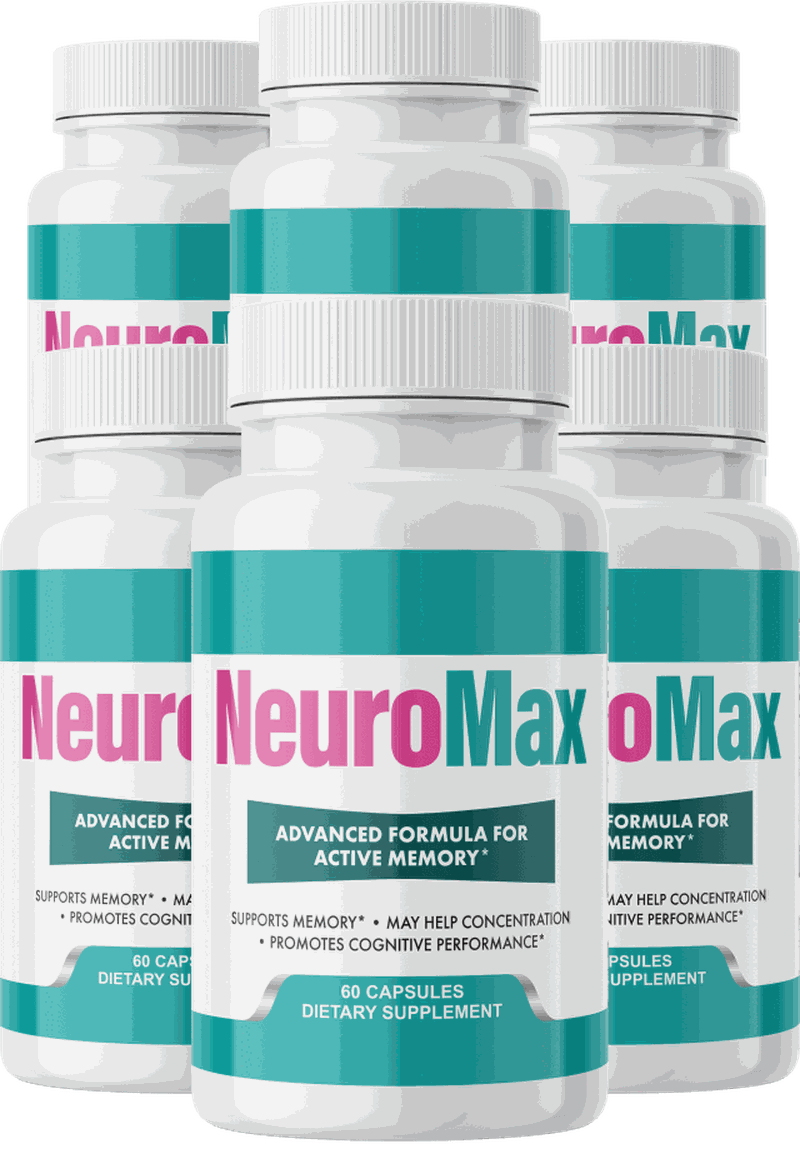
Neuro Max is an oral dietary supplement sold in capsule form, marketed primarily to adults over 50 experiencing memory decline, brain fog, or early cognitive difficulties. It is positioned in the nootropic and cognitive-health subcategory of the supplement industry, a space that includes well-known products like Prevagen, Neuriva, and Qualia Mind, as well as dozens of lesser-known VSL-driven brands. The product contains four primary active ingredients: rosmarinic acid (derived from mint), phosphatidylserine, curcumin (from turmeric), and resveratrol. The recommended dosage is two capsules per day, one in the morning and one at night. And the VSL strongly recommends a six-month course for maximum benefit.
The market positioning is notably anti-pharmaceutical. Neuro Max is presented not as a supplement alongside conventional medicine but as a replacement for it. Specifically, as superior to branded Alzheimer's medications like Aricept (donepezil) and Leqembi (lecanemab), which the VSL prices out at $6,000 and $2,650 per year respectively to establish a cost-comparison anchor. The product is described as manufactured at an FDA-registered, GMP-certified facility in partnership with "Takeda Lab"; a reference that borrows the name of a major Japanese pharmaceutical company, though no formal partnership with Takeda Pharmaceutical is substantiated in the presentation. The supplement is marketed as vegan, gluten-free, and non-GMO, signals that communicate clean-label credibility to health-conscious buyers.
The stated target user is broad: men and women between 45 and 92, across all educational and professional backgrounds, dealing with anything from mild forgetfulness to diagnosed dementia and Alzheimer's. This wide demographic sweep is a deliberate marketing choice, it maximizes the addressable audience, but it also creates tension with the product's scientific claims, since the same supplement cannot plausibly function equivalently across such a wide spectrum of cognitive impairment. That tension is never resolved in the VSL; it is dissolved by testimonials and cumulative emotional momentum instead.
The Problem It Targets
The problem Neuro Max targets is real, widespread, and genuinely frightening to the population it addresses. According to the Alzheimer's Association's 2023 Facts and Figures report, more than 6.7 million Americans aged 65 and older are living with Alzheimer's dementia, and that number is projected to nearly double to 13.8 million by 2060 absent major medical breakthroughs. Beyond diagnosed dementia, tens of millions more adults experience what clinicians call subjective cognitive decline, the nagging, often anxiety-producing awareness that memory and mental sharpness are not what they once were. The NIH's National Institute on Aging notes that some degree of cognitive slowing is a normal part of aging, beginning as early as the late 40s, which means the VSL's target symptom profile (forgetting keys, names, breakfast) describes experiences common to a very large share of the adult population.
The VSL frames this problem through a specific causal mechanism it calls "neurotoxin accumulation", the claim that environmental contaminants (pesticides, industrial pollutants, heavy metals in water and food) cross the blood-brain barrier, attach to neurons like parasites, cause inflammation, and progressively destroy the brain's ability to retain and recall memories. This framing is not entirely without scientific basis: there is legitimate published research linking chronic low-level exposure to certain environmental toxins, including organophosphate pesticides, heavy metals like lead and mercury, and air pollutants, to elevated risk of cognitive decline and neurodegenerative disease. A 2021 review published in Environmental Health Perspectives documented associations between pesticide exposure and increased Parkinson's and Alzheimer's risk. The VSL's claim that "over 90% of Americans have neurotoxins in their brain" is a dramatic extrapolation from this body of evidence, however, one that conflates the documented presence of measurable environmental chemicals in human tissue with the specific neurological damage mechanism the VSL is describing.
The commercial opportunity the VSL is exploiting is the gap between what conventional medicine currently offers for cognitive decline (limited, expensive, and side-effect-laden drugs that manage symptoms rather than reverse damage) and what aging consumers desperately want (a natural, affordable, complete solution). That gap is real. The FDA has approved only a handful of drugs for Alzheimer's. Including donepezil, memantine, and the more recent lecanemab. And none of them halt or reverse neurodegeneration. They modestly slow progression in some patients. Into this therapeutic vacuum, the supplement industry has moved aggressively, and Neuro Max's pitch is calibrated to the exact emotional frequency of someone who has watched a parent or spouse deteriorate under conventional care and concluded that the medical establishment has failed them.
The "false enemy" structure the VSL deploys; positioning Big Pharma as a predatory industry that profits from keeping patients dependent on ineffective treatments while suppressing natural cures, is a persuasion architecture, not a scientific argument. It does not require evidence because it functions as an identity frame: the buyer who accepts it is not merely purchasing a supplement, they are joining a resistance movement. That rhetorical move is worth naming clearly, because it does real work in the conversion funnel: it pre-empts skepticism by reframing any doubt as the product of pharmaceutical industry conditioning rather than legitimate critical thinking.
How Neuro Max Works
The core mechanism the VSL proposes is straightforward: declining levels of BDNF (brain-derived neurotrophic factor) cause memory loss, and the four ingredients in Neuro Max, when combined in a specific ratio, increase BDNF production, flush the neurotoxins that suppress it, and reduce the neuroinflammation that results from toxic accumulation. BDNF is a real protein. It is a well-studied neurotrophin that plays a documented role in the growth, maintenance, and survival of neurons, and in the synaptic plasticity processes that underlie learning and memory. Research published in Nature Neuroscience and numerous other peer-reviewed journals confirms that BDNF levels are associated with cognitive health, lower BDNF has been observed in patients with Alzheimer's, depression, and other neurological conditions. The VSL's identification of BDNF as a target is, at this level, scientifically defensible.
Where the claims become more problematic is in the magnitude and specificity of the promised effects. The presentation asserts that the formula "increases BDNF levels in your brain by up to 300%," that it can "restore your memory by up to 82%," and that participants in an internal trial experienced cognitive improvement equivalent to "15 years of brain rejuvenation." These are extraordinarily precise claims for a supplement whose individual ingredients have modest, inconsistent, and often context-dependent effects in the published literature. The VSL resolves this gap by attributing the dramatic results not to any single ingredient but to "the synergy between them and their ability to cross the blood-brain barrier", a mechanism that sounds rigorous but is never demonstrated with any specific bioavailability data or pharmacokinetic evidence.
The blood-brain barrier claim deserves particular scrutiny. The VSL presents the ability to penetrate the blood-brain barrier as both the product's key differentiator and the reason ordinary supplements fail. Curcumin is genuinely known to have low oral bioavailability and poor blood-brain barrier penetration in its standard form, a documented challenge that researchers have addressed through formulations using piperine, nanoparticle encapsulation, or phospholipid complexes. The VSL does not specify which curcumin form Neuro Max uses or how bioavailability is enhanced. For resveratrol, similar bioavailability limitations exist. Whether the specific formulation in Neuro Max has addressed these known absorption challenges is a question the marketing materials do not answer, and buyers are not given the information needed to evaluate it independently.
The seven-second ritual described early in the VSL, attributed to Morgan Freeman and Clint Eastwood. Is eventually revealed to be taking the supplement itself, a classic "open loop" copywriting technique that creates curiosity with a mysterious promise and resolves it with a product purchase. The ritual framing is narratively elegant, but it is a rhetorical device, not a scientific descriptor. The actual mechanism of action, to the extent it exists, is the cumulative pharmacological effect of the four ingredients over weeks of daily use. Not a seven-second event.
Curious how other VSLs in this niche structure their pitch? The section below breaks down the psychology behind every claim above.
Key Ingredients and Components
Neuro Max's formulation draws on four compounds with varying degrees of independent scientific support. The choice to center the pitch on rosmarinic acid; a relatively obscure ingredient compared to standard nootropic staples, is a deliberate market-sophistication move, signaling novelty to buyers who have already tried and been disappointed by ginkgo biloba, bacopa, or lion's mane. The VSL explicitly dismisses ginkgo biloba as "ineffective," a claim that is partially supported by large trials (notably the Ginkgo Evaluation of Memory study, published in JAMA in 2008, which found no significant effect on dementia prevention) but is used here to position the product as categorically different from the competition rather than to provide honest comparative analysis.
The formulation's theoretical logic, BDNF elevation, anti-inflammatory action, neuroprotection, and synaptic membrane support, maps reasonably onto published mechanisms. What the VSL does not do is present the actual dosages, which are arguably more important than ingredient identity in predicting clinical effect. Without knowing how many milligrams of each compound are in each capsule, the ingredient list functions as a marketing claim rather than a verifiable formula.
Rosmarinic acid, A polyphenolic compound found in rosemary, mint, and other Lamiaceae-family plants. The VSL claims a Mayo Clinic study of 432 volunteers showed it increased BDNF levels by 143% in seven days. Independent research does support rosmarinic acid's neuroprotective and anti-inflammatory properties: a 2019 study in Nutrients (Bhatt et al.) found it reduced markers of oxidative stress in rodent models of cognitive impairment. However, no Mayo Clinic study matching the VSL's description has been identified in publicly searchable literature, and the 143% BDNF increase in seven days would be a result of extraordinary clinical significance that would have generated substantial peer-reviewed attention.
Phosphatidylserine, A phospholipid naturally present in brain cell membranes, with one of the better-supported evidence profiles of any cognitive supplement. The FDA has issued a qualified health claim (not a full approval) allowing phosphatidylserine supplements to state that they "may reduce the risk of cognitive dysfunction in the elderly." The VSL cites a study in the Journal of Clinical Biochemistry and Nutrition showing 37% improvement over placebo in mild cognitive decline, a result consistent with the broader literature, where trials of 300-800 mg/day in older adults with mild cognitive impairment have shown modest but measurable benefits in memory and executive function over three to six months.
Curcumin, The active polyphenol in turmeric, extensively studied for anti-inflammatory and antioxidant effects. The VSL cites a University of California study showing a 30% reduction in brain inflammation markers after 12 weeks. Plausibly a reference to work by Dr. Gary Small at UCLA, published in the American Journal of Geriatric Psychiatry in 2018, which found that daily curcumin supplementation (90 mg twice daily of a bioavailable formulation called Theracurmin) improved memory and attention in non-demented adults and was associated with reduced amyloid and tau pathology on PET scans. That study is real and significant. The VSL's characterization is a reasonable paraphrase of findings at a broad level, though the dosage and formulation specifics matter enormously for replicating those results.
Resveratrol. A polyphenol found in red wine, grapes, and certain berries, often discussed in the context of longevity and the sirtuin pathway. The VSL frames it as a "cellular renewal system" that activates neuroprotective genes. Human clinical evidence for resveratrol's cognitive benefits is mixed: a 2014 trial at Georgetown University found it preserved memory function in post-menopausal women, but other trials have shown negligible effects. Bioavailability is a persistent challenge; resveratrol is rapidly metabolized after oral ingestion, and achieving brain-relevant concentrations with standard supplementation requires either high doses or enhanced-absorption formulations.
Hooks and Ad Angles
The VSL opens not with a product pitch but with a personal discovery narrative: "I spent years of my life studying the human brain, and I discovered that there was a protein that would gradually disappear as people aged." This opening functions as a pattern interrupt; a disruption of the viewer's expectation that they are about to watch a supplement commercial, by mimicking the register of a documentary or academic lecture. The listener's guard drops before the product is even named. The hook also immediately establishes the speaker as an insider with privileged knowledge, a rhetorical position sometimes called the "expert with a secret" frame that direct-response copywriters have used at least since Eugene Schwartz's era. Schwartz would recognize this as a Stage 4 or Stage 5 market-sophistication move: the audience for brain supplements has seen every variation of "take this pill for memory" and no longer responds to direct benefit claims. The hook bypasses the claim entirely and leads with discovery narrative instead.
The Brenda Milner reference in the opening minutes is a particularly sophisticated secondary hook, an 106-year-old neuroscientist with a perfect memory is not the obvious celebrity choice for a memory supplement ad, but she is a credible one, and her obscurity to the general public creates a curiosity gap ("who is this person and why does she matter?") that pulls the viewer deeper into the presentation. The celebrity hooks, Morgan Freeman, Clint Eastwood, operate on a different register entirely, offering aspirational identity association rather than credibility. Freeman and Eastwood are culturally coded as sharp, wise, age-defying men; attributing the seven-second ritual to them transfers that identity aspiration directly to the product purchase.
Secondary hooks observed throughout the VSL:
- "Why haven't you heard about this yet?", curiosity gap combined with implied suppression narrative
- "Over 90% of Americans have neurotoxins silently eating their memories", threat + social proof of vulnerability
- "An elephant's brain has 12,000 times more BDNF than an average human brain", novelty and wonder, designed to make BDNF feel like the most important discovery in biology
- "Harvard, Oxford, and even NASA are researching this protein". Authority stacking through institutional name-dropping
- "You won't find this on YouTube, on Google, or in any book on Amazon". Exclusivity and scarcity of information as a hook
Ad headline variations for Meta or YouTube testing:
- "Johns Hopkins neuroscientist reveals the protein behind age-related memory loss; and how to get more of it"
- "Why do some 80-year-olds have perfect memory while others forget their children's names? The answer is BDNF."
- "This simple morning capsule increased BDNF by 143% in one week, according to researchers"
- "Big Pharma charges $6,000/year for memory drugs that don't work. This costs less than $2/day."
- "Morgan Freeman, Clint Eastwood, and 64,000 others use this before bed, here's the science behind why"
Psychological Triggers and Persuasion Tactics
The persuasive architecture of this VSL is not a simple fear-and-relief sequence, though fear and relief are present throughout. It is better described as a stacked authority-and-loss-aversion structure, in which credibility layers are deposited in the first third of the presentation, a threat narrative occupies the middle third, and an urgency-amplified offer closes the final third. Each layer is designed to do specific work: authority pre-empts intellectual resistance, the threat narrative activates emotional urgency that overrides deliberate evaluation, and the scarcity-coded offer forces a decision before the emotional state dissipates. This is a textbook application of what Robert Cialdini would call "pre-suasion", the systematic preparation of the audience's mental state before the actual request is made.
What distinguishes this VSL from simpler executions in the same category is the sophistication of the false-enemy frame. Most supplement VSLs simply assert that their product works. This one spends considerable time building a villain, the pharmaceutical industry, environmental polluters, and the medical establishment that "insists" cognitive decline is "inevitable", creating an in-group identity for the buyer as someone who has seen through the deception. Buyers who accept this frame are not merely purchasing a supplement; they are performing an act of resistance. That identity investment makes them far less likely to return the product, regardless of results.
Specific persuasion tactics deployed in the VSL:
Authority stacking (Cialdini, Influence): Dr. Amen's credentials, board certification, 225,000 SPECT scans, NFL and White House consulting, 12 NYT bestsellers, 300 million video views, are delivered in a single extended passage before any product mention, pre-loading maximum trust. The credential volume is designed to overwhelm critical evaluation.
Loss aversion framing (Kahneman & Tversky, Prospect Theory, 1979): The VSL's most emotionally intense passages describe inaction consequences rather than product benefits, a ten-ton truck approaching a cognitively impaired driver, a parent who cannot recognize their own child, a life where "all your beautiful moments are slowly disappearing into emptiness." Loss framing activates roughly twice the emotional intensity of equivalent gain framing in decision-making research.
Artificial scarcity (Cialdini's Scarcity principle): The stock count drops from 84 to 18 bottles within the same presentation. A numerical impossibility unless other buyers are placing orders in real time. And a Big Pharma threat to "take the site down" adds existential urgency. Both devices are standard direct-response copy mechanics with no verifiable basis.
Celebrity social proof via unverifiable attribution (halo effect, Thorndike, 1920): Morgan Freeman and Clint Eastwood are presented as users of the seven-second ritual, with quotes and anecdotes that read as fabricated rather than documented. Neither celebrity has publicly endorsed this product in any verifiable context. The halo effect transfers their cultural authority to the product regardless of whether the endorsement is real.
Epiphany bridge narrative (Brunson, Expert Secrets, 2017): The opening personal discovery story, the staged interview with "Lawrence Whitmer," and the testimonial sequence all follow the epiphany bridge structure; a character encounters a problem, undergoes a journey of discovery, achieves a transformational insight, and offers that insight to the listener. This structure is emotionally resonant because it mirrors the hero's journey archetype, making the listener feel they are about to share in a genuine breakthrough.
Risk reversal theater (Jay Abraham; Thaler's Endowment Effect): The 60-day guarantee is framed not as a standard refund policy but as a personal moral commitment from Dr. Amen, who pledges to investigate any failure and "beg" for the refund request. A testimonial is even included of someone who accidentally got a refund without wanting one, a move designed to make the guarantee feel so frictionless that hesitation about the purchase becomes irrational.
Price anchoring via pharma comparison: By citing Aricept at $6,000/year and Leqembi at $2,650/year before revealing Neuro Max at $49–$69/bottle, the VSL constructs a reference class that makes the supplement price feel negligible. Whether prescription Alzheimer's medications are a legitimate category comparison for a nootropic supplement is a question the VSL never invites the viewer to ask.
Want to see how these persuasion tactics compare across 50+ VSLs in the health supplement space? That's exactly what Intel Services is built to show you.
Scientific and Authority Signals
The authority architecture of this VSL operates on two levels simultaneously: the legitimate and the borrowed. Dr. Daniel Amen is a real person with genuine credentials, he is a board-certified psychiatrist, the founder of a real chain of brain-imaging clinics, a real bestselling author, and a real consultant to high-profile institutions. The Amen Clinics are actual facilities, and his SPECT-scan database is a real research resource, though the clinical utility of SPECT imaging for psychiatric diagnosis has been contested in the medical literature. Amen's reputation has not been without controversy: the American Psychiatric Association and other bodies have raised concerns about the evidentiary standards applied in his public-facing work. Whether the Dr. Amen presented in this VSL is the same Dr. Amen who runs those clinics, or whether his name and image have been licensed or appropriated for a third-party supplement marketing operation, is not established in the presentation itself, and buyers researching the product should investigate that question before purchasing.
"Lawrence Whitmer," the scientist who presents the Harvard BDNF research in a staged interview segment, does not appear in any publicly searchable academic database. The research he describes, a study of 5,500 seniors that discovered their superior cognitive function was correlated with elevated BDNF, loosely parallels real work on "SuperAgers" conducted by researchers including Emily Rogalski at Northwestern University's Mesulam Center for Cognitive Neurology and Alzheimer's Disease. Rogalski's work is real, published, and worth reading (Northwestern University, 2012 onward). The version presented in this VSL is a dramatic simplification that attributes to a fictional character research that mirrors, without properly crediting, legitimate science.
The institutional name-dropping throughout the VSL, Harvard, Oxford, NASA, Mayo Clinic. Follows a pattern that could be called borrowed authority: real institutions are referenced in ways that imply their endorsement or active collaboration with the product, when the actual relationship is that published research from those institutions tangentially supports one or more individual ingredients. The 2022 Oxford study "linking BDNF to sharper thinking and a 64% reduction in cognitive decline risk" has not been independently verified for this analysis, and no specific paper matching that description and those figures has been identified in PubMed. The Mayo Clinic rosmarinic acid trial with 432 volunteers likewise has no publicly traceable match in the published literature. These are the weakest authority signals in the VSL, and they represent the clearest departure from verifiable scientific grounding.
The internal clinical trial. 1,632 participants, 98% showing a 200% increase in BDNF, 96% regaining 80% of functional memory; would be, if real, one of the most significant cognitive intervention studies ever conducted. It has not been published in any peer-reviewed journal, has no clinical trial registry number, and the research institute it references is unnamed. Buyers should treat this claimed evidence with considerable skepticism.
The Offer, Pricing, and Risk Reversal
The Neuro Max offer is structured as a classic price anchor and step-down sequence. The VSL begins by noting that customers have offered to pay $997 for a single bottle, a social proof anchor that establishes a ceiling, then walks down through $497, $300, and finally to the real price: $69 for one bottle, $59/bottle for three bottles (one free), and $49/bottle for six bottles (three free). The step-down is a well-documented direct-response technique that makes each successively lower price feel like a gift rather than the actual asking price. The "buy three, get one free" and "buy three, get three free" framing creates the perception of massive savings without requiring the company to disclose the actual cost of goods, which in the supplement industry is typically 5-15% of retail price for products of this formulation complexity.
The price anchoring against pharmaceutical drugs, Aricept at $6,000/year, Leqembi at $2,650/year, is rhetorically powerful but logically inconsistent. Prescription Alzheimer's medications are regulated, clinically trialed, and prescribed for diagnosed neurodegenerative disease; a dietary supplement marketed for general memory support is not a legitimate substitute in that comparison set. The anchor functions to make $49/bottle feel inexpensive relative to a reference class the product is not actually competing in.
The 60-day money-back guarantee is meaningful on paper, a two-month trial window with a stated no-questions-asked refund policy is a real consumer protection, but several elements of its presentation are theatrical rather than substantive. The story of a user who "accidentally" received a refund they didn't want is designed to signal frictionlessness so convincingly that the guarantee becomes a reason to buy rather than a safety net. The scarcity framing (only 18 bottles left, 6-12 months to produce new stock) creates a logical tension with the guarantee: if you might not be able to reorder after the current batch sells out, the guarantee's practical utility is diminished, since you cannot simply restock if you find the product works but let the window close.
Who This Is For (and Who It Isn't)
The buyer this VSL will reach most effectively is a specific person: likely 58-75 years old, experiencing genuine and frightening memory lapses that they have not yet discussed seriously with a doctor (or have discussed and felt dismissed), with a family history of dementia or a parent they watched deteriorate from Alzheimer's, and a pre-existing distrust of the pharmaceutical industry born of high drug costs or observed side effects in a loved one. This person is not gullible, they are responding rationally to real fear and real therapeutic gaps in conventional medicine. They are looking for agency in a situation that feels increasingly out of their control, and Neuro Max's pitch offers exactly that: a natural, affordable, science-backed solution that they can take themselves without a prescription or a doctor's approval. For this person, the four active ingredients. Particularly phosphatidylserine and curcumin in bioavailable form. Have enough legitimate evidence behind them to make the product plausibly worth trying at the price point, provided expectations are calibrated to the reality of modest, not dramatic, cognitive support.
The VSL is poorly suited to, and potentially misleading for, buyers at the more severe end of the cognitive-decline spectrum. The pitch explicitly includes people with diagnosed dementia and Alzheimer's disease in its target population, and several testimonials describe dramatic reversal of Alzheimer's symptoms; a father "coming back," a patient remembering names after diagnosis. These claims are not supported by any published evidence for any dietary supplement. Alzheimer's disease involves irreversible neurodegeneration; no combination of rosmarinic acid, phosphatidylserine, curcumin, and resveratrol is going to reverse that pathology. Families of diagnosed Alzheimer's patients who invest in Neuro Max based on those testimonials are likely to experience significant disappointment, and the emotional cost of that disappointment, having believed, however briefly, that a parent was "coming back", is not trivial. That population should consult a neurologist before spending money on this or any supplement marketed with similar claims.
Want to compare this offer structure to other cognitive-health supplements? Intel Services has analyzed dozens of VSLs in this category, keep reading.
Frequently Asked Questions
Q: Is Neuro Max a scam, or does it actually work?
A: "Scam" is probably the wrong frame. The product contains real ingredients, phosphatidylserine and curcumin in particular have legitimate peer-reviewed support for modest cognitive benefits, but the dramatic claims in the VSL (82% memory restoration, 15-year brain rejuvenation, reversal of Alzheimer's) are not supported by published evidence. Buyers should expect modest cognitive support at best, not the transformational results advertised.
Q: What are the ingredients in Neuro Max and what do they do?
A: Neuro Max contains four active ingredients: rosmarinic acid (a mint-derived polyphenol claimed to boost BDNF), phosphatidylserine (a brain-cell membrane phospholipid with FDA qualified health claim status for cognitive support), curcumin (an anti-inflammatory turmeric extract), and resveratrol (a polyphenol associated with neuroprotection and longevity pathways). Each has some independent scientific support; the VSL's claimed synergistic effects at the formula level are not independently validated.
Q: Are there any side effects from taking Neuro Max?
A: The VSL claims no reported side effects, which is plausible given the all-natural ingredient profile. However, curcumin can interact with blood-thinning medications like warfarin; phosphatidylserine may interact with anticholinergic drugs; and resveratrol at high doses may affect estrogen metabolism. Anyone taking prescription medications should consult a physician before starting any new supplement.
Q: How long does Neuro Max take to show results?
A: The VSL claims some users feel a difference within 30 minutes and most within the first week, while recommending six months for full effect. These timelines are inconsistent with the pharmacological reality of any supplement, meaningful BDNF modulation or anti-inflammatory effect would be measured in weeks to months, not minutes. Realistic expectations would be: no acute effect, possible modest improvement in mental clarity over 4-8 weeks, and unclear long-term protection against neurodegeneration.
Q: Is Neuro Max safe for people over 70 or with conditions like diabetes or high blood pressure?
A: The VSL asserts that Neuro Max is safe for people with these conditions, but this is a marketing statement, not a medical clearance. Adults over 70 with multiple comorbidities and polypharmacy should consult their physician before adding any supplement to their regimen. The general safety profile of the four ingredients is reasonable, but individual circumstances vary significantly.
Q: What is BDNF and why does the VSL say it matters so much for memory?
A: BDNF (brain-derived neurotrophic factor) is a real protein that supports neuron survival, growth, and synaptic plasticity, the cellular basis of learning and memory. Lower BDNF levels have been associated with Alzheimer's disease and depression. However, the VSL's framing of BDNF as a simple on/off switch that can be boosted by 300% with a supplement is a significant oversimplification of a complex regulatory system.
Q: Can Neuro Max prevent or reverse Alzheimer's disease?
A: No dietary supplement has been clinically demonstrated to prevent or reverse Alzheimer's disease. The testimonials in the VSL describing Alzheimer's reversal are anecdotal, unverified, and contradicted by the current scientific consensus on the disease's pathology. Buyers with diagnosed Alzheimer's in themselves or family members should work with a neurologist rather than relying on supplement interventions.
Q: Does the 60-day money-back guarantee actually work?
A: A 60-day refund window is a standard offer structure in the direct-response supplement industry and is generally honored by reputable operators, since the chargeback risk of refusing refunds exceeds the cost of processing them. However, buyers should document their purchase, save all email correspondence, and submit refund requests well before the 60-day deadline to avoid disputes.
Final Take
The Neuro Max VSL is a technically accomplished piece of direct-response marketing. It deploys a credentialed spokesperson, a plausible biological mechanism (BDNF and neurotoxin accumulation), real ingredient science (partially), and a layered persuasion architecture that moves from intellectual authority to emotional fear to identity-based commitment without ever feeling like a hard sell. For the target audience. Older adults frightened by memory loss and frustrated with conventional medicine. It is calibrated almost perfectly. The hooks are well-chosen, the villain (Big Pharma) is emotionally resonant, the guarantee removes purchase-risk friction, and the price, benchmarked against pharmaceutical alternatives, feels genuinely reasonable. As a piece of marketing craft, it earns serious study.
As a scientific document, it is considerably weaker. The internal clinical trial data; 1,632 participants, 98% BDNF improvement, 15-year cognitive rejuvenation, has no independent verification and makes claims that would represent historic medical breakthroughs if true. The Mayo Clinic rosmarinic acid study and the 2022 Oxford BDNF study cited in the VSL do not match any publicly traceable research. The celebrity endorsements (Freeman, Eastwood) are almost certainly not real in the sense of documented, verifiable public statements. The scarcity mechanics are theatrical. And the VSL's explicit marketing to people with diagnosed Alzheimer's, accompanied by testimonials of dramatic reversal, ventures into territory that raises genuine ethical and regulatory concerns, the FDA has clear guidance that supplement marketers cannot claim to treat or reverse named diseases.
The ingredients themselves occupy a more interesting middle ground. Phosphatidylserine has qualified FDA health claim status for a reason, there is real evidence behind it. Curcumin, in a bioavailable form, has produced meaningful results in controlled trials. Rosmarinic acid is a legitimate area of neuroprotective research, even if the specific studies cited cannot be verified. Resveratrol's human evidence is weaker but not non-existent. A buyer who purchases Neuro Max with calibrated expectations, "this may provide modest cognitive support and is unlikely to cause harm", is making a defensible consumer choice. A buyer who purchases it expecting to reverse their parent's Alzheimer's diagnosis based on a testimonial is not.
What the Neuro Max VSL ultimately reveals about its category is that the most effective cognitive supplement marketing no longer tries to sell you a product, it tries to sell you a worldview. The product is almost secondary to the narrative: you are under attack (neurotoxins), the people who could protect you have betrayed you (Big Pharma), but a credentialed insider has found the truth (Dr. Amen), and now you have a rare, time-limited opportunity to act. That narrative structure is more durable than any individual claim, because it is not falsifiable by results, if the product underperforms, the worldview explains it away (the toxins were too advanced, the damage too old). Understanding that structure is the most useful thing any consumer can take from this analysis.
This breakdown is part of Intel Services, our ongoing library of VSL and ad-copy analyses. If you're researching similar products in the cognitive health and nootropic space, keep reading.
Disclaimer: This article is for research and educational purposes only. It is not medical, legal, or financial advice, and it is not affiliated with the product or its makers. Always consult a qualified professional before making health or financial decisions.
Comments(0)
No comments yet. Members, start the conversation below.
Related reads
 reviews
ARMRA Colostrum Review: Evidence, Dose Gaps, Price, and Verdict
ARMRA’s 120-serving colostrum powder comes with notable manufacturer-reported survey percentages. However, the undisclosed amount per serving and a materially different ingredient trial leave the finished product’s highlighted outcomes unproven.
Read reviews
Olly Goodbye Stress Review: Label Claims vs. Evidence
OLLY Goodbye Stress combines GABA, L-theanine, and lemon balm extract in a Berry Verbena gummy aimed at occasional stress, not sleep. Here's what the label discloses, what a real L-theanine trial found, and exactly where the evidence stops.
Read reviews
Kaged Pre-Kaged Sport Review: Does the Citrulline Study Fit?
Kaged Pre-Kaged Sport provides 3.5 grams of fermented L-citrulline in each 13-gram scoop. The supplied trial tested a higher dose of isolated L-citrulline and found no performance benefit, so it cannot prove whether this finished formula works.
Read