NeuroSilence Review and Ads Breakdown: A Research-First Look
Somewhere in the middle of the NeuroSilence sales letter, a character named "Dr. Oz" stands in a German research lab, watching a senior investigator fold his arms and order an entire tinnitus study…
8,226+
Videos & Ads
+50-100
Fresh Daily
$29.90
Per Month
Full Access
12.5 TB database · 72+ niches · 29 min read
Somewhere in the middle of the NeuroSilence sales letter, a character named "Dr. Oz" stands in a German research lab, watching a senior investigator fold his arms and order an entire tinnitus study shut down, apparently on behalf of a pharmaceutical industry that cannot afford a permanent natural cure to exist. It is a scene constructed with the precision of a thriller screenplay, and it works exactly the way a good thriller does: by the time you reach it, you are already invested in the characters, the stakes feel real, and skepticism has been quietly escorted out of the room. That this "Dr. Oz" shares his name with one of the most recognizable television physicians in America is not incidental. It is the entire point. Understanding why that choice was made, and what it reveals about the broader architecture of this pitch, is what this analysis is for.
Tinnitus affects roughly 15 percent of the global adult population, according to the World Health Organization, and for approximately one in five of those sufferers the condition is severe enough to significantly impair daily functioning. It is a condition without a reliable pharmaceutical cure, with high patient frustration, and with a demonstrated willingness in its sufferer base to try almost anything that promises relief. These three facts together describe not just a medical condition but a commercial opportunity, and the tinnitus supplement market has grown accordingly. Into that market, NeuroSilence arrives as a sublingual spray claiming to eliminate tinnitus permanently by targeting a specific neurological mechanism that mainstream medicine has allegedly ignored. The VSL making this case is long, emotionally elaborate, and technically detailed enough to feel credible at first pass, which is precisely why it deserves a careful reading.
This piece examines NeuroSilence from two directions simultaneously: as a product with specific ingredients and stated mechanisms that can be evaluated against publicly available science, and as a marketing document whose persuasive architecture reveals a great deal about how the tinnitus supplement category operates in 2024. The question the analysis pursues is not simply "does this work?". Though that question is addressed. But rather: what does this VSL assume about its audience, and how well does the evidence it presents hold up under scrutiny?
What Is NeuroSilence?
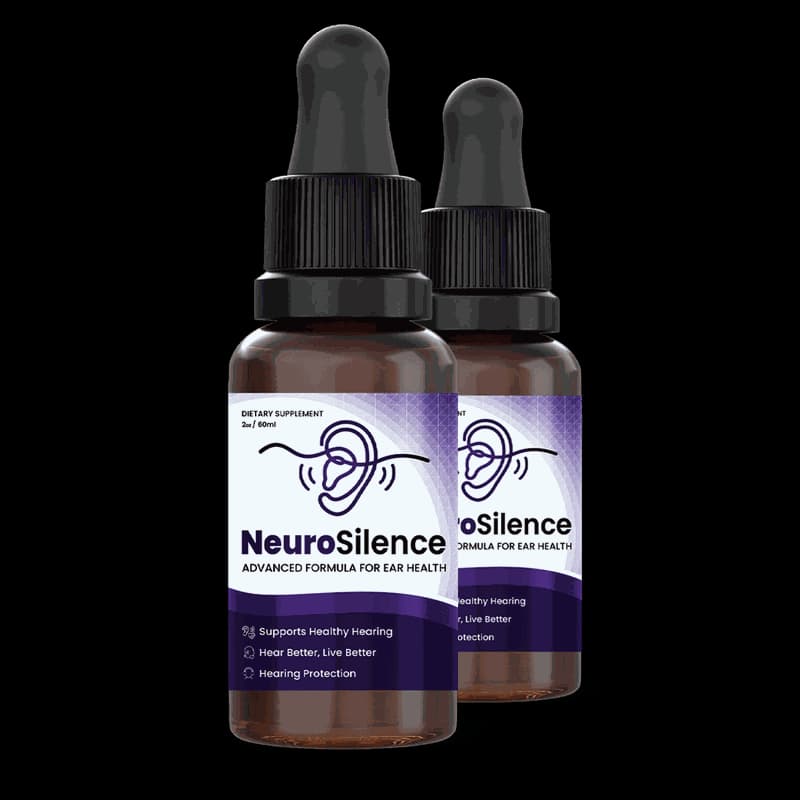
NeuroSilence is positioned as a sublingual liquid spray formulated to relieve chronic tinnitus; the persistent perception of ringing, buzzing, or hissing sounds in the absence of an external acoustic source. The product is delivered via six pump sprays under the tongue each morning, a delivery method the VSL frames as providing faster absorption than conventional oral capsules. It is sold exclusively through a dedicated sales page (not Amazon, pharmacies, or third-party retailers), processed through ClickBank, and is available in single-bottle, three-bottle, and six-bottle packages ranging from $89 to $49 per bottle depending on the tier selected.
The product occupies the auditory health subcategory of the dietary supplement market, a space that has expanded rapidly as consumer awareness of tinnitus has grown and as dissatisfaction with conventional ENT medicine has created an opening for alternative-positioned products. NeuroSilence differentiates itself within that subcategory not by claiming to mask or manage tinnitus symptoms (the approach taken by sound-therapy devices and many existing supplements) but by claiming to eliminate the condition at its biological root through a proprietary three-step biochemical protocol. That positioning is central to both the product's appeal and to the scrutiny it invites.
The stated target user is an adult who has lived with tinnitus for months or years, has tried conventional interventions, doctor visits, hearing aids, white-noise machines, dietary adjustments, without lasting relief, and has begun to associate the condition with broader cognitive fears including memory decline and early-onset dementia. The VSL is not speaking to someone newly diagnosed; it is speaking to someone exhausted, slightly desperate, and primed to distrust the medical establishment that has offered them little beyond the instruction to cope.
The Problem It Targets
Tinnitus is not a disease in the strict sense but a symptom, a phantom auditory perception generated within the nervous system rather than received from an external source. The condition affects an estimated 750 million people worldwide, and in the United States the CDC estimates that approximately 50 million Americans experience some form of tinnitus, with 20 million reporting chronic or burdensome tinnitus. The absence of a proven pharmacological cure is genuine: as of the time of writing, no drug has received FDA approval specifically for tinnitus treatment, and the current standard of care centers on sound therapy, cognitive behavioral therapy, and hearing aids for cases involving concurrent hearing loss. This is not a gap manufactured by the VSL, it is a well-documented limitation of contemporary medicine, and it is commercially significant.
What makes the problem particularly potent as a marketing target is its psychographic profile. Tinnitus sufferers, particularly those with severe chronic symptoms, report disproportionately high rates of anxiety, depression, sleep disruption, and social withdrawal. Research published in JAMA Otolaryngology-Head & Neck Surgery has documented the condition's association with significant reductions in quality of life, and the link between chronic tinnitus and depressive symptomatology is well-established in the clinical literature. The VSL exploits this profile methodically: it opens by naming and validating the emotional experience (the "relentless high-pitched ringing like a fire alarm"), then escalates from emotional suffering to neurological threat (cytokine-driven nerve atrophy leading to dementia), and finally to institutional betrayal (a pharmaceutical industry profiting from the absence of a cure). Each layer is designed to deepen both the emotional wound and the perceived urgency of action.
The VSL also makes a specific epidemiological move that deserves examination: it claims that untreated tinnitus leads to Alzheimer's disease, dementia, and Parkinson's disease through the same cytokine pathways causing the ringing. There is legitimate scientific interest in the relationship between chronic neuroinflammation, hearing loss, and dementia risk, studies from Johns Hopkins have indeed found associations between hearing loss and cognitive decline, and neuroinflammatory processes are broadly implicated in several neurodegenerative conditions. However, the VSL's framing collapses a probabilistic epidemiological association into a near-certain causal chain, presenting tinnitus as "the body's final warning sign" of imminent brain destruction. This is a meaningful overstatement of what the current evidence supports, and it functions less as scientific communication than as a fear-escalation mechanism designed to make inaction feel catastrophically dangerous.
The commercial framing of the problem is completed by the claim that "Big Pharma makes over $8.5 billion a year on drugs and treatments" for tinnitus, a figure presented without citation and almost certainly inflated or miscategorized, since the documented global tinnitus device and therapy market is substantially smaller. Whether or not the precise number is accurate, its function in the VSL is rhetorical: to position the problem as having a vested institutional beneficiary who profits from it remaining unsolved.
How NeuroSilence Works
The mechanistic claim at the center of NeuroSilence is specific enough to sound scientific: tinnitus originates not in the ear but in inflammation of the trigeminal nerve, one of the twelve cranial nerves, which passes near auditory structures deep in the inner ear. Inflammatory molecules called cytokines attack the trigeminal nerve's microscopic branches, creating what the VSL terms Sensory Brain Hyperactivity (SBH). A state in which the nervous system becomes so sensitive that normal background neural signals are amplified into perceived sound. The solution, therefore, is not to treat the ear but to reduce cytokine-driven inflammation at the nerve, restore proper signal filtering, and prevent recurrence.
This mechanism deserves honest evaluation on its own terms. The trigeminal nerve does have anatomical branches that pass near structures relevant to auditory processing, and trigeminal involvement in certain forms of tinnitus is a recognized area of clinical inquiry. Somatosensory tinnitus, in particular, has a documented relationship with trigeminal and other somatosensory pathways. The broader claim that neuroinflammation plays a role in tinnitus pathophysiology is not fringe science; it is an active area of research. A 2021 review in Frontiers in Neuroscience examined inflammatory mechanisms in tinnitus and found evidence supporting the involvement of glial cell activation and cytokine signaling in the central auditory pathways. So the VSL is not inventing its mechanism from nothing; it is borrowing real scientific vocabulary and applying it with much more precision and certainty than the current evidence justifies.
The specific claim that 92% of patients with trigeminal nerve inflammation in a 1,000-patient study also had tinnitus, with the remaining 8% developing it shortly afterward, is presented without a traceable citation. No published study matching this description could be verified. The figure functions as a closing of the explanatory loop: if tinnitus and trigeminal inflammation are this tightly correlated, the mechanism must be causal, and the product addressing that mechanism must be effective. But correlation presented without a verifiable source, in a context explicitly designed to motivate purchase, is not evidence, it is the rhetorical shape of evidence. This distinction is important for any reader actively researching the product before buying.
The three-step protocol structure, reduce cytokines, protect the nerve from reinflamation, fine-tune neural hypersensitivity, is narratively elegant. Each step maps to a different ingredient cluster, and together they create the impression of a comprehensive, staged therapeutic intervention. Whether the specific amino acids and compounds included can actually deliver these effects at the dosages present in a six-spray sublingual administration is a separate question, addressed in the ingredients section below.
Curious how other VSLs in this niche structure their mechanistic claims? The psychological triggers section breaks down exactly how this kind of scientific narrative is engineered to move past analytical resistance.
Key Ingredients and Components
The VSL organizes its ingredients into three functional groups corresponding to its three protocol steps. The following is an evaluation of each named ingredient based on publicly available research.
L-Arginine, A conditionally essential amino acid involved in nitric oxide synthesis and immune modulation. The VSL cites a Nutrition journal study claiming it reduces inflammatory cytokines by up to 82%. L-Arginine does have documented anti-inflammatory properties; a 2015 study in Nutrients found immunomodulatory effects in certain clinical populations. However, the 82% cytokine reduction figure is specific and extraordinary, and no study with that precise finding was verifiable. Its role in tinnitus specifically has not been established in randomized controlled trials.
L-Lysine, An essential amino acid with documented roles in immune function and collagen synthesis. The claim that it "boosts antibody production and helps the immune system calm internal false alarms" broadly aligns with known lysine functions, though the application to tinnitus-specific inflammation is extrapolated rather than demonstrated.
L-Valine. A branched-chain amino acid (BCAA) primarily studied in the context of muscle metabolism and exercise recovery. The VSL cites the International Journal of Sports Medicine for claims about mental clarity and fatigue reduction. While BCAA supplementation has been associated with reduced mental fatigue in some exercise contexts, the leap to tinnitus-relevant neurological function is not supported by direct evidence.
Ornithine Alpha-Ketoglutarate (OKG). A compound used in clinical nutrition, particularly for patients under metabolic stress (post-surgery, critical illness). The claim that it "supports immunity under extreme stress" is broadly consistent with its known applications. Its relevance to chronic tinnitus-associated inflammation is, again, extrapolated.
L-Isoleucine; Another BCAA. The VSL cites Immunology Letters for claims about immune regulation. Isoleucine has shown some immunomodulatory activity in animal and in vitro studies, but clinical evidence in human neuroinflammation contexts is limited.
Mumio (Shilajit), A mineral-rich resin used extensively in Ayurvedic and Central Asian traditional medicine. The VSL cites the International Journal of Alzheimer's Disease for neuroprotective claims. Shilajit does contain fulvic acid and has been the subject of legitimate research on cognitive function; a 2012 study in the Journal of Alzheimer's Disease by Bhatt et al. found potential neuroprotective properties in animal models. This is one of the better-supported ingredients in the formula in terms of general neuroprotection research, though tinnitus-specific evidence remains absent.
GABA (Gamma-Aminobutyric Acid), The brain's primary inhibitory neurotransmitter. The VSL cites Biological Psychiatry for improvements in sleep and emotional regulation. GABA supplementation is widely used for anxiety and sleep; the primary scientific debate concerns oral (or sublingual) bioavailability, whether supplemental GABA crosses the blood-brain barrier effectively enough to produce central nervous system effects. This is a genuinely contested question in the pharmacology literature.
Alpha-GPC (Alpha-Glycerylphosphorylcholine), A choline compound with legitimate clinical research behind it, particularly for cognitive function. The VSL cites Clinical Therapeutics, and a 2003 Italian multicenter trial (De Jesus Moreno Moreno, Clinical Therapeutics) did find alpha-GPC improved cognitive function in Alzheimer's patients. This is one of the more credibly cited ingredients in the formula.
L-Glutamine, An abundant amino acid with roles in gut health, immune function, and nitrogen metabolism. Its role in neural fine-tuning as described in the VSL is not well-supported by direct research.
L-Tyrosine, A precursor to dopamine and norepinephrine, with research supporting cognitive performance under stress. The VSL's reference to "L-Dopa" in the same cluster appears to conflate L-Tyrosine's downstream pathway with actual levodopa, a prescription drug used for Parkinson's disease. This conflation, whether deliberate or careless, is misleading.
Sodium and Potassium. Electrolytes essential for nerve impulse transmission. Their inclusion is physiologically rational but not novel; they are present in virtually every bioavailable formula.
Hooks and Ad Angles
The VSL opens with a direct validation of the audience's lived experience: "You've probably heard the advice. Cut out caffeine, avoid loud sounds, learn to live with it. If you really suffer from tinnitus, you know how useless that advice can be." This is a textbook pattern interrupt in the Cialdini sense; it disrupts the expected flow of a health pitch (which typically begins by naming a problem and then escalating it) by instead naming and then dismissing the conventional solutions the audience has already encountered. The rhetorical move is particularly well-calibrated for this specific market because the target audience has, by definition, already tried those conventional approaches. The hook meets them in their existing frustration rather than trying to manufacture new frustration from scratch. In Eugene Schwartz's framework of market sophistication levels, this is a Stage 4 or Stage 5 move: the audience is too experienced with the product category to respond to a direct "here's a tinnitus cure" claim, so the pitch instead leads with mechanism novelty and institutional betrayal.
What follows the opening hook is a "curiosity bridge", the Vick's VapoRub reference drops an unexpected, familiar object into the frame and then withholds the explanation, forcing the viewer to keep watching in order to resolve the cognitive tension. This is a well-executed open loop in the copywriting tradition, and it functions doubly: it suggests that the solution is already hiding in something ordinary and accessible (lowering the strangeness barrier) while simultaneously implying that this ordinary thing has hidden powers that institutions have suppressed (feeding the conspiracy narrative that comes later).
Secondary hooks observed in the VSL:
- The "27-minute" specificity claim, Anna felt relief in exactly 27 minutes, a precise number that signals clinical measurement rather than anecdote
- "Only 1% of tinnitus sufferers even know it exists", a manufactured scarcity of knowledge that creates in-group urgency
- "Big Pharma tried to buy us out, we refused", frames the purchase as an act of resistance against corporate power
- "As long as the ringing is still there, your brain is still alive", reframes the symptom as hope rather than damage, a positive reframe that lands with emotional force
- The countdown timer for the first-10-buyer cruise prize, converts a slow content consumption experience into a competitive real-time event
Ad headline variations for Meta or YouTube media buyers:
- "The $49 Spray That Big Pharma Tried to Bury (And Why Researchers Are Finally Paying Attention)"
- "She Heard Silence for the First Time in 3 Years. After 27 Minutes"
- "It's Not Your Ears. It's This Nerve. And Here's What Actually Fixes It."
- "Doctors Said Learn to Live With It. Then Her Husband Found This."
- "The Vick's VapoRub Connection No One Is Talking About"
Psychological Triggers and Persuasion Tactics
The persuasive architecture of this VSL is not assembled from independent tactics placed side by side. It is a stacked, sequential structure in which each mechanism prepares the psychological ground for the one that follows. The letter opens by creating identity alignment (you are not naive, you have been lied to), moves through emotional transportation via the personal narrative, escalates fear to its maximum tolerable level with the dementia/Alzheimer's threat, then relieves that fear with the product, neutralizes financial objection through multi-stage price anchoring, and finally neutralizes purchase risk through the money-back guarantee. This is a complete anxiety induction-and-relief cycle executed in one continuous sitting; a structure that Cialdini's influence framework would recognize and that practitioners of direct-response copywriting would call a "complete stack."
The use of character names borrowed from famous television personalities, "Dr. Oz" as narrator and "Dr. Phil" as the insider researcher, deserves particular attention as a psychological tactic. Neither figure is claimed to be the famous person (the VSL does not say "I am Dr. Mehmet Oz"), but the names are not incidental. Cognitive association between these names and their famous-doctor connotations is automatic and largely unconscious, a direct exploitation of the halo effect (Thorndike, 1920), the tendency to transfer positive attributes from a known entity to an associated but distinct one. It is legally defensible (the names are used for fictional characters) while being psychologically effective (the association fires regardless).
Pattern Interrupt / Contrarian Opening (Cialdini, attention mechanics): The immediate dismissal of conventional tinnitus advice bypasses the audience's "another sales pitch" filter by agreeing with their frustration before making any positive claim.
Narrative Transportation / Epiphany Bridge (Green & Brock, 2000; Brunson): The story of Lisa at the piano, hands pressed against her ears, weeping on the floor, is designed to produce full narrative transportation, a state in which the listener's analytical faculties are suspended in favor of emotional identification. The specific sensory details ("hands over her ears, shaking", "tears streaming") are not incidental; they are the technical instruments of transportation.
Manufactured Conspiracy / False Enemy Frame (Godin's Tribes, us-vs-them dynamics): Big Pharma is constructed as a unified, malevolent actor, it "buried" the research, sent legal threats, blocked advertising, and attempted a buyout. This frame serves a dual function: it explains why the audience hasn't heard of the product before (not because it's unknown but because it's been suppressed) and it creates an in-group bond between buyer and seller as joint resisters of a common enemy.
Escalating Loss Aversion (Kahneman & Tversky's Prospect Theory): The threat progression from tinnitus → hearing loss → cognitive decline → dementia → "brain injury" is calibrated to maximize loss aversion. Each stage raises the potential cost of inaction, and crucially, the losses named are not financial but existential: memory, identity, connection to family.
Authority by Institutional Adjacency (Cialdini's Authority principle): Harvard Medical School and Johns Hopkins are mentioned in the same breath as the product's discovery without any specific citation, study, or researcher name. The institutions' credibility is borrowed through adjacency rather than earned through documentation.
Multi-Stage Price Anchoring (Tversky & Kahneman, Anchoring Bias): The $380 opening anchor is implausible as a real retail price for a supplement, but it does not need to be plausible, it only needs to be stated first, so that all subsequent prices feel dramatically smaller by comparison. The stepdown to $200, then $150, then $89/$59/$49 creates a sense of accumulating savings that is arithmetically manufactured.
Stacked Scarcity with Competitive Urgency (Cialdini's Scarcity; FOMO dynamics): The 20-second countdown for the cruise prize simultaneously introduces artificial time pressure and a competitive frame ("other people are watching this video and competing with you right now"), converting a passive consumption experience into a perceived auction.
Want to see how these psychological stacking techniques compare across 50+ VSLs in the health niche? That's exactly what Intel Services is built to show you.
Scientific and Authority Signals
The VSL's authority architecture operates on three distinct levels, and they are not equally legitimate. The first level is the use of real scientific vocabulary. Cytokines, trigeminal nerve, cranial nerve anatomy, GABA, alpha-GPC. Applied with enough surface accuracy to signal genuine expertise. Cytokines are real molecules. The trigeminal nerve is a real cranial nerve. GABA is a real neurotransmitter. Several of the journals cited; Biological Psychiatry, Clinical Therapeutics, Frontiers in Neuroscience analogs, are real publications. This layer of real vocabulary functions as what might be called borrowed legitimacy: the credibility of actual science is imported into a context where the specific claims have not actually been validated by that science.
The second level is the deployment of institutional names without traceable endorsement. Harvard Medical School and Johns Hopkins are described as institutions where "researchers are starting to take it seriously", a claim that implies institutional attention without citing any specific researcher, study, paper, or program. This is a classic example of what E-E-A-T evaluators would call authority impersonation: real institutions are referenced in ways that imply endorsement they have not given. No published study from either institution on the specific NeuroSilence mechanism or formula was verifiable. The unnamed 1,000-patient German study, described as producing the 92% correlation between trigeminal inflammation and tinnitus, similarly carries the shape of clinical research without any traceable citation: no author names, no institution, no journal, no year beyond a vague "2024" reference.
The third level is the use of celebrity name analogues. As noted above, naming the narrator "Dr. Oz" and a senior researcher "Dr. Phil" is not a factual claim, no assertion is made that these are the famous television personalities, but the cognitive association is structurally identical to those names appearing in a product endorsement. If a reader later searches "Dr. Oz NeuroSilence," the conflation of the VSL narrator with the famous physician is a predictable and, one suspects, intended outcome. This falls in the category of fabricated by implication: no lie is technically told, but a false belief is reliably produced.
For readers evaluating this product: the ingredients themselves are real compounds with genuine research histories, and some (alpha-GPC, shilajit, GABA) have legitimate scientific literature behind them for adjacent health applications. The gap between "this compound has anti-inflammatory properties in some research contexts" and "this compound, in this formula, at this dose, delivered sublingually, will permanently eliminate your tinnitus" is the gap between what the science actually says and what the VSL claims. That gap is large.
The Offer, Pricing, and Risk Reversal
The offer structure of NeuroSilence is one of the more elaborate seen in the supplement VSL category. The price anchor is set at $380 per bottle, described as what the team "originally considered charging", an anchor that is functionally implausible for a dietary supplement but that serves its purpose as a psychological reference point. The stated retail price of $150 is then presented as already discounted, before the "exclusive" presentation pricing drops to $89 (single bottle), $59 (three-bottle kit, with one free), or $49 (six-bottle kit, with three free). The effective price range of $49–$89 per bottle is consistent with premium supplement pricing in the auditory health category, which means the anchoring sequence is not benchmarking against any real category average but rather against an invented internal price point. A rhetorical rather than legitimate anchor.
The bonus architecture escalates to an almost parodic degree for the first ten buyers of the six-bottle package: a private Zoom consultation, a signed book, a $500 Apple Store gift card, a full order refund (making the package free), and a nine-night Mediterranean cruise for four aboard Viking Star. The total stated value of these bonuses exceeds several thousand dollars layered on top of a $294 product purchase. This kind of extreme bonus stacking is a well-documented conversion tactic in the ClickBank ecosystem. The cruise prize in particular functions less as a realistic offer and more as an attention capture device, converting a passive video viewer into an active countdown-watcher. Whether any of these first-ten bonuses are actually fulfilled at the claimed scale is not verifiable from the VSL alone.
The money-back guarantee is presented in two inconsistent versions within the same VSL: the main body of the letter states a 180-day guarantee, while the FAQ section specifies 120 days. This internal contradiction is either an editing error or a deliberate ambiguity that allows the seller to apply whichever term is more favorable in a given dispute context. The guarantee's framing; "it's like eating a full restaurant meal and still getting your money back", is rhetorically strong as a risk-reversal mechanism (Thaler's endowment effect in reverse: the buyer feels they have nothing to lose), but the practical ease of redemption through a ClickBank-processed transaction is a separate question worth investigating before purchase.
Who This Is For (and Who It Isn't)
The reader most likely to find this pitch compelling is an adult in their fifties or sixties who has been managing moderate-to-severe tinnitus for at least two years, has visited at least one ENT specialist without receiving a satisfying treatment, has a baseline skepticism of pharmaceutical companies, and consumes health content regularly online, particularly video content on YouTube or Facebook. This person is not naive; they have been pitched supplement solutions before. What the NeuroSilence VSL offers them that a simpler pitch cannot is an explanatory mechanism (the trigeminal nerve and cytokine narrative), a named villain (Big Pharma), and a guarantee structure that removes the perceived financial risk of trying. The emotional investment required before reaching the purchase page is substantial, but it is precisely that investment that filters for the buyer most likely to convert and least likely to request a refund.
For someone whose tinnitus is mild, recent-onset, or has a clearly identified structural cause (ear injury, medication side effect, TMJ), this product is unlikely to be the right starting point, and the VSL's implicit promise of permanence may delay consultation with a specialist who could identify a treatable underlying cause. Similarly, readers who are already comfortable with evidence-based medicine and who habitually verify citations before trusting health claims will find the VSL's authority signals do not hold up to scrutiny, the unnamed studies, the celebrity-name characters, and the undocumented clinical trial are indicators of a marketing document rather than a clinical report.
It is also worth noting that the product's claimed mechanism, sublingual delivery of amino acids and neuroactive compounds to reduce trigeminal nerve inflammation, has not been validated in a peer-reviewed clinical trial of the product itself. The ingredients list draws on real compounds with real (if limited) research histories, but the specific formulation, dose, and delivery method of NeuroSilence as a finished product have not, to this analyst's knowledge, been the subject of independent published research. For anyone with significant health concerns, consultation with a neurologist or otolaryngologist before starting any supplement regimen remains the appropriate first step.
If you're evaluating this product as part of a broader look at the tinnitus supplement market, the final section synthesizes what this VSL reveals about where the category is heading.
Frequently Asked Questions
Q: Is NeuroSilence a scam?
A: The product contains real ingredients with legitimate research histories, and it is processed through ClickBank, which has documented refund infrastructure. However, the VSL makes claims, a suppressed 1,000-patient clinical trial, authority from named figures who appear to be fictional constructs borrowing famous names, and a guaranteed permanent cure, that are not supported by verifiable independent evidence. Whether the product delivers meaningful tinnitus relief for any individual buyer is not something this analysis can confirm or deny; whether the marketing claims accurately represent the underlying science is a separate matter, and on that question, significant gaps exist.
Q: Does NeuroSilence really work for tinnitus?
A: The VSL cites a 59-person internal trial with 100% improvement rates, but this trial is not published, peer-reviewed, or independently verifiable. Several individual ingredients (alpha-GPC, shilajit, GABA) have legitimate research behind them for neurological health in general. Whether the specific formulation addresses tinnitus at the claimed level of efficacy. Permanent elimination in most users. Is not established by any publicly available clinical evidence.
Q: Are there side effects of NeuroSilence?
A: The VSL explicitly claims no side effects, which is a claim that should be treated with caution for any multi-ingredient supplement. L-Arginine can interact with certain blood pressure and diabetes medications. GABA at higher doses has been associated with drowsiness and tingling sensations. Anyone taking prescription medications or with cardiovascular conditions should consult a physician before starting any amino acid complex.
Q: Is NeuroSilence safe to use?
A: The product is described as manufactured in a US FDA-registered, GMP-compliant facility with third-party testing; standard and verifiable claims for legitimate supplement manufacturers. The individual ingredients are generally recognized as safe at typical supplemental doses. That said, "safe" and "effective" are distinct questions, and the safety of the formula for any specific individual depends on their health history and concurrent medications.
Q: What are the main ingredients in NeuroSilence?
A: The formula includes L-Arginine, L-Lysine, L-Valine, Ornithine Alpha-Ketoglutarate, L-Isoleucine, Mumio (Shilajit), L-Glutamine, GABA, Alpha-GPC, L-Tyrosine, sodium, and potassium. Each is assigned to one of three functional stages in the protocol. For a full ingredient-by-ingredient evaluation, see the Key Ingredients section above.
Q: How long does NeuroSilence take to work?
A: The VSL claims some users feel relief within 27-30 minutes of the first dose, with meaningful symptom reduction within two weeks and permanent results requiring three to six months of consistent use. These timelines are not corroborated by independent clinical evidence and should be understood as marketing claims rather than medically validated expectations.
Q: What is the money-back guarantee for NeuroSilence?
A: The main VSL body states a 180-day money-back guarantee; the FAQ section within the same VSL states 120 days. This inconsistency is worth clarifying directly with the seller before purchase. Refunds are processed through ClickBank, which operates its own consumer protection policies independent of the seller.
Q: How does cytokine reduction relate to tinnitus relief?
A: Cytokines are signaling molecules involved in the inflammatory response. Elevated pro-inflammatory cytokines have been associated with neuroinflammation in animal models and in some human observational studies. The specific claim that cytokine reduction is the primary driver of tinnitus resolution, and that the NeuroSilence formula achieves this reliably, goes beyond what current published research supports, though the underlying biological framework is not entirely without scientific basis.
Final Take
The NeuroSilence VSL is a technically sophisticated piece of persuasive writing operating in a space where the audience's pain is real, medicine's answers are genuinely limited, and distrust of institutional authority is both earned and exploitable. The letter's greatest structural achievement is that it never asks the viewer to believe something implausible in isolation, every claim is embedded in a narrative context that makes the next claim feel like a natural inference. The trigeminal nerve mechanism is real enough to lend the cytokine narrative credibility. The cytokine narrative is real enough to make the specific formula feel necessary. The formula is presented with ingredient specificity real enough to make the clinical trial feel plausible. At each step, enough reality is present to carry the audience past the gaps.
The weakest element of the VSL is also its most revealing: the named authority figures. Using "Dr. Oz" and "Dr. Phil" as character names in a health supplement sales letter is a choice that can only be understood as deliberate exploitation of cognitive association. It does not constitute legal fraud, the VSL never claims these characters are the famous television personalities, but it functions as an exploitation of the halo effect that a more scrupulous marketing operation would avoid. For a reader actively researching this product, that choice should be weighted heavily: it signals a willingness to engineer false impressions through technically defensible means, which is relevant to evaluating every other claim in the letter.
The product itself sits in an ambiguous category: the ingredients are real, the manufacturing claims are standard for the supplement industry, and the underlying biological framework (neuroinflammation contributing to tinnitus) is scientifically active territory. What the VSL cannot provide, and what the product likely cannot deliver, is the specific level of certainty the pitch implies, permanent elimination of tinnitus in virtually all users through a mechanism validated by a 1,000-patient clinical trial. That trial is not findable in the published literature. That level of efficacy has not been demonstrated for any supplement in the tinnitus category. For a chronic tinnitus sufferer who has exhausted conventional options and is considering a $49–$89 monthly spend with a money-back guarantee, the calculus is different than it would be for someone evaluating a medical claim at face value, the financial risk is bounded, the guarantee (if honored) is protective, and the ingredients are at minimum unlikely to cause harm. The epistemic risk. Believing a false model of what is making you sick and what is fixing it. Is harder to price but equally real.
This breakdown is part of Intel Services, our ongoing library of VSL and ad-copy analyses. If you're researching similar products in the tinnitus, auditory health, or neurological supplement space, keep reading.
Disclaimer: This article is for research and educational purposes only. It is not medical, legal, or financial advice, and it is not affiliated with the product or its makers. Always consult a qualified professional before making health or financial decisions.
Source-backed reader context
Additional Reviews & Reported Experiences
These statements were presented in the product's sales transcript. Daily Intel did not independently verify the speakers, purchase status, or reported outcomes, and the statements are not used in Product aggregateRating.
Lisa (narrator's wife)
Date not stated
tinnitus gone by day 17, resumed playing piano after years
Anna
Date not stated
heard silence within 27 minutes of first dose; tinnitus faded over two weeks
Lisa's father
Date not stated
tinnitus resolved completely by week 3 after over a decade of suffering
59-person trial group
Date not stated
100% reported measurable hearing improvement; tinnitus vanished or became negligible
Anonymous participant (15-year sufferer)
Date not stated
slept through the night after a couple of weeks; heard birds singing for the first time in a decade
Anonymous woman
Date not stated
noticed she was laughing again; wakes up rested and clear-headed
Anonymous email writer
Date not stated
'ringing in my ears is gone and I can finally sleep like a baby
Anonymous participant
Date not stated
'on the very first day the ringing dropped so much I could finally rest
Comments(0)
No comments yet. Members, start the conversation below.
Related reads
 reviews
ARMRA Colostrum Review: Evidence, Dose Gaps, Price, and Verdict
ARMRA’s 120-serving colostrum powder comes with notable manufacturer-reported survey percentages. However, the undisclosed amount per serving and a materially different ingredient trial leave the finished product’s highlighted outcomes unproven.
Read reviews
Olly Goodbye Stress Review: Label Claims vs. Evidence
OLLY Goodbye Stress combines GABA, L-theanine, and lemon balm extract in a Berry Verbena gummy aimed at occasional stress, not sleep. Here's what the label discloses, what a real L-theanine trial found, and exactly where the evidence stops.
Read reviews
Kaged Pre-Kaged Sport Review: Does the Citrulline Study Fit?
Kaged Pre-Kaged Sport provides 3.5 grams of fermented L-citrulline in each 13-gram scoop. The supplied trial tested a higher dose of isolated L-citrulline and found no performance benefit, so it cannot prove whether this finished formula works.
Read