Remembrol Review and Ads Breakdown
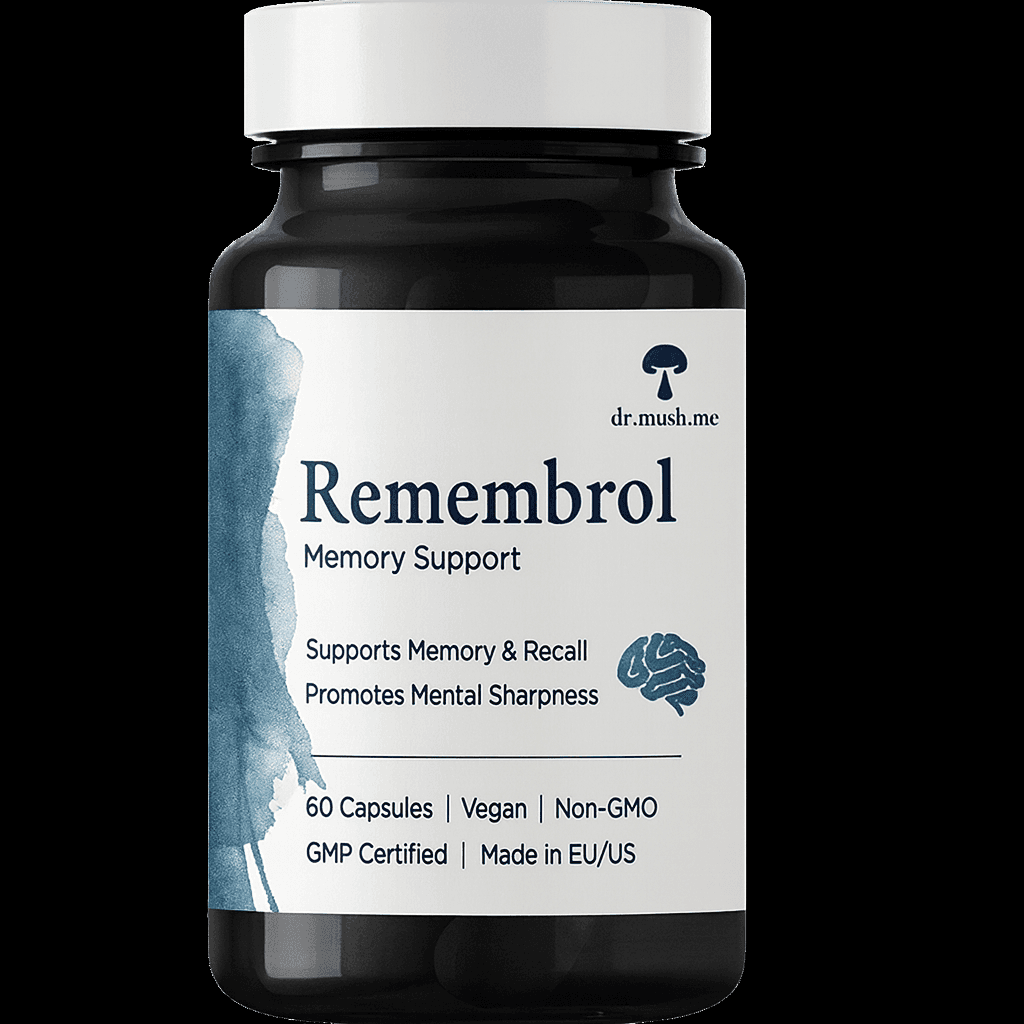
Remembrol is presented in its video sales letter as a natural memory-support formula built around a dramatic idea: the forgetfulness many people blame on aging may actually be driven by hidden "mem…
8,226+
Videos & Ads
+50-100
Fresh Daily
$29.90
Per Month
Full Access
12.5 TB database · 72+ niches · 29 min read
Remembrol is presented in its video sales letter as a natural memory-support formula built around a dramatic idea: the forgetfulness many people blame on aging may actually be driven by hidden "memory-draining toxins" in the modern environment. The presentation does not open like a standard supplement pitch. It opens with a familiar emotional scene: walking into a room and forgetting why, losing keys, misplacing a phone, blanking on a word mid-sentence, forgetting names, and wondering whether these moments are normal aging or something more frightening.
This Remembrol review is based only on the transcript provided. That matters because the VSL makes strong claims about toxins, acetylcholine, mushrooms, Tibetan villagers, university researchers, and a personal family story involving severe memory decline. Our goal is not to validate claims the transcript does not prove. It is to analyze what the presentation says, how it sells, which ingredients or components it names, what evidence signals it uses, and where a careful buyer should slow down.
The headline promise is clear: according to the presentation, Remembrol is designed to mimic a traditional Tibetan mountain stew using ingredients such as lion's mane, cordyceps, reishi, shiitake, and a phospholipid-rich fat source. The VSL says these components may help flush toxins, nourish neurons, support acetylcholine, improve blood flow, and help rebuild neural connections. Those are the manufacturer's claims as delivered in the sales presentation, not conclusions independently established by the transcript.
The offer also leans heavily into fear and urgency. Viewers are told that Big Pharma wants this natural remedy buried because it is unpatentable and available without a prescription. The video says it could be taken down at any time. It also introduces a five-question memory check and uses testimonials that describe dramatic improvements. This is classic direct-response framing: identify a painful symptom, give it a hidden cause, introduce a unique mechanism, stack authority, tell a personal story, and push the viewer to keep watching before the information disappears.
For people researching Remembrol ingredients, Remembrol pricing, or whether the VSL proves the product works, the most important point is this: the transcript gives a compelling marketing narrative, but it does not disclose a full Supplement Facts label, exact dosages, bottle price, refund guarantee, or product-specific clinical trial. That does not mean the formula is automatically ineffective. It means the claims should be evaluated as claims from the presentation, not as settled medical facts.
What Is Remembrol
Remembrol is positioned as a memory-support supplement or formula for people who feel their recall, clarity, and confidence are slipping. The transcript never provides a full label, capsule count, dose, or finished-product testing data. Instead, it describes the product through a story: a narrator searching for a better way after his father experienced frightening memory decline and reacted poorly to mainstream options.
The VSL frames Remembrol as a modern concentrated version of an ancient Tibetan food tradition. According to the presentation, remote Tibetan mountain villagers consumed a daily stew made with mushrooms, herbs, and nutrient-dense fats. The narrator claims elders in these villages stayed sharp well into old age and could remember family histories going back seven generations. The presentation then says the formula was built to mimic that stew but with greater potency through ultrasonic assisted extraction.
That extraction method is a major differentiator in the sales story. The transcript says ultrasonic assisted extraction uses sound waves to break open dense walls of mushrooms and herbs, releasing a broader spectrum of active compounds. It is described as using no heat and no solvents, and the narrator says it produces a difference that is "night and day" compared with raw powder or hot water extracts. Again, this is how the VSL explains the mechanism; the transcript does not provide a manufacturing certificate, extraction specification, or third-party assay.
The product category is best described as a memory supplement or cognitive support formula. The subcategory is memory, recall, focus, and mental clarity. The format is not fully disclosed in the excerpt, though the narrator says he wanted something his father could take daily, which implies a daily supplement format rather than a recipe-only program.
The product is not presented as a treatment for dementia or any diagnosed disease, even though the VSL uses emotionally intense dementia-adjacent scenarios. The transcript includes references to early stage dementia, neurologists, memory tests, and nursing-home fears. A responsible reading should separate those story elements from proven product outcomes. Based on the transcript alone, Remembrol should be viewed as a supplement marketed for memory support, not as a proven cure, treatment, or replacement for medical care.
The Problem It Targets
The VSL targets one central pain point: the fear that everyday forgetfulness is becoming something bigger. It begins with a contrast between the viewer's younger self and present-day lapses. In the viewer's 20s, the script says, birthdays, appointments, and even where the car was parked came easily. Now, the viewer may forget why they entered a room, lose keys, misplace a phone, or blank on a word mid-sentence.
The emotional power comes from specificity. The presentation does not merely say "memory decline." It mentions missing an important anniversary, forgetting a friend's name, using sticky notes for everyday tasks, and forgetting a bank PIN. These examples are ordinary enough to feel familiar but serious enough to trigger anxiety.
Then the VSL reframes the cause. According to the presentation, the issue is not laziness, genetics, or unavoidable aging. It claims new research out of Harvard University has uncovered a silent epidemic of memory-draining toxins. These toxins are described as hiding in tap water, air, and food, building up inside the body and damaging crucial neurons. The phrase "invisible squatters" gives the enemy a memorable identity: once they are in, they do not leave.
The transcript names several exposures: PFAs, also called forever chemicals, plus mercury, aluminum, and lead. It also mentions preservatives, artificial sweeteners, pesticides, industrial fumes, microplastics, cookware, seafood, dental fillings, and packaged food linings. The environmental claim is broad: modern life is chemically overloaded, and the brain is paying the price.
The VSL's core biological target is acetylcholine, described as the brain chemical used to think, remember, and recall. The presentation compares it to a librarian in the brain. Need a memory? According to the metaphor, acetylcholine helps retrieve it. The script says that in youth, people have plenty of acetylcholine, which is why thoughts feel clear and conversations flow. Over time, the claimed toxins supposedly eat away at the acetylcholine supply, causing the brain to misfire.
This is an effective sales mechanism because it gives viewers a reason their symptoms feel real without making them feel personally at fault. Instead of "you are getting old," the VSL says, "your brain is under attack." Instead of vague decline, it gives a named chemical: acetylcholine. Instead of broad lifestyle advice, it gives a hidden enemy: memory-draining toxins.
A careful reader should note that the transcript makes many causal claims. It says toxins are linked to brain fog, neurotransmitter breakdown, insulin resistance in the brain, blood sugar spikes, gut-brain axis disruption, and acetylcholine depletion. The transcript does not provide citations, study titles, sample sizes, or direct evidence that Remembrol reverses those processes in humans. The claims belong to the presentation.
How Remembrol Works
According to the VSL, Remembrol works through a deep brain detox concept. The presentation claims its ingredients help flush out memory-draining toxins, support blood flow to the brain, nourish neurons, restore acetylcholine activity, and rebuild neural connections. This is the stated mechanism, and it is central to the product's positioning.
The first layer is detoxification. The VSL says modern toxins act like parasites or "memory leeches" that drain the brain's fuel supply. The proposed solution is to flush those toxins out naturally. The phrase is repeated in different forms: flush these toxins, deep brain detox, memory-killing parasites, and memory-draining toxins. This language is vivid and easy to remember, but the transcript does not define a measurable detox endpoint or provide before-and-after toxin testing.
The second layer is acetylcholine support. The script says acetylcholine is crucial for memory and recall. It claims that once acetylcholine drops below a critical threshold, short-term memory fades, long-term memories blur, and the person begins losing the sharpness they used to have. The formula is presented as a way to bring acetylcholine "back online."
The third layer is neural repair. The presentation claims that the Tibetan-inspired ingredients do more than support memory; they may help rebuild neural connections at a cellular level. Lion's mane receives the strongest focus here. The VSL says compounds in lion's mane activate a neuro-restorative cascade in the hippocampus, the brain area involved in storing and forming memories. It specifically names ND-PiH, hericine A, ERK1, ERK2, and BDNF.
The fourth layer is energy and inflammation support. Cordyceps is said to boost ATP production inside neurons, which the VSL describes as recharging brain cells. Reishi is positioned as calming the "fire" of the brain through anti-inflammatory compounds. Shiitake is said to support circulation, B vitamins, and the gut-brain axis.
The fifth layer is bioavailability. This is where ultrasonic assisted extraction comes in. The narrator says raw ingredients are not enough because modern people are trying to make up for decades of damage. Concentrated potency is presented as necessary. Ultrasonic extraction is the bridge between ancient stew and modern supplement.
From a direct-response perspective, this mechanism is strong because it does several jobs at once. It sounds natural because it begins with food and mushrooms. It sounds scientific because it mentions acetylcholine, hippocampus, BDNF, and extraction technology. It sounds urgent because the toxins are said to accumulate invisibly. And it sounds different from generic memory pills because the VSL repeatedly says it is not omega-3s, not fish oil, and not the latest overpriced memory pill.
The limitation is that the transcript does not prove the complete chain. It does not show a clinical trial where the finished Remembrol formula reduced toxins, increased acetylcholine, improved validated memory scores, and outperformed placebo. The VSL presents a plausible-sounding mechanism made from ingredient claims, research references, tradition, and testimonials. That is marketing evidence, not the same as product-specific proof.
Key Ingredients and Components
The transcript names several ingredients or components associated with Remembrol, but it does not disclose a complete Supplement Facts label. That means we do not know exact amounts, extract ratios, standardization levels, serving size, inactive ingredients, allergens, or whether all named components appear in the final product exactly as described.
The most emphasized ingredient is lion's mane, which the VSL says is known in the Tibetan village as the "teaching mushroom." According to the presentation, it was given to children during exam sessions and to elders throughout life. The script claims a 2023 University of Queensland study isolated two compounds from lion's mane, ND-PiH and hericine A, and found they may activate ERK1/ERK2 signaling, support BDNF, and encourage neural branch regrowth in animal studies. The VSL uses lion's mane as the formula's flagship memory-rebuilding ingredient.
Next is cordyceps, described as the "endurance mushroom for the mind." The transcript says cordyceps is often associated with energy or immunity, but in the Tibetan story it is linked to long-term memory resilience. The presentation claims cordyceps boosts ATP production inside neurons and cites a 2018 study in which cordycepin reversed memory loss in lab models, improved acetylcholine levels, and reduced inflammation. These are ingredient-level claims from the VSL.
Reishi is presented as the mushroom that "cools the fire of the brain." The VSL says it was used to calm and stabilize thought and is rich in anti-inflammatory compounds. In the Remembrol story, reishi helps reduce neuroinflammation so the other ingredients can work more effectively.
Shiitake is described as more than a culinary mushroom. The VSL says shiitake supports mental clarity and blood flow and contains B vitamins and eritadenine or a similarly pronounced compound in the transcript. It is tied to circulation and the gut-brain axis, with the idea that the brain cannot repair itself if it cannot be nourished.
The formula also includes or is inspired by a phospholipid-rich fat source. In the Tibetan stew, that base is described as yak butter or fish fat. The modern compound highlighted is phosphatidylserine, which the VSL says forms the outer layer of brain cells and protects the signals they send. According to the presentation, phosphatidylserine has been shown in modern trials to improve memory, support acetylcholine, and help rebuild pathways affected by age, stress, and toxins.
It is important to separate confirmed transcript details from typical category assumptions. In the memory supplement category, formulas often include nutrients such as B vitamins, phosphatidylserine, mushroom extracts, herbal extracts, or nootropic compounds. For Remembrol, the transcript specifically discusses lion's mane, cordyceps, reishi, shiitake, and phospholipid support. It does not confirm a broader nutrient panel, exact milligrams, or any stimulant content.
For buyers, the missing label is a major research gap. A formula can sound compelling in a story, but dose and standardization matter. Lion's mane extract is not the same as a sprinkle of mushroom powder. Cordyceps can vary by species and active compound concentration. Phosphatidylserine has meaningful dose ranges in studies, but the transcript does not provide Remembrol's dose. Without the label, the ingredient story remains incomplete.
The VSL Hook and Story
The Remembrol VSL is built around one question: "What happened to that unshakeable memory you had in your 20s?" That opening hook is strong because it immediately creates contrast. It does not ask whether the viewer has memory problems in a clinical sense. It asks whether they notice a difference between who they were and who they are becoming.
The first act is symptom recognition. The viewer is invited to see themselves in common lapses: forgetting why they entered a room, losing keys, misplacing a phone, blanking on words, forgetting names, relying on sticky notes. These examples make the pitch feel personal before any product is mentioned.
The second act is fear escalation. The script asks whether this is just age or something more serious. It mentions embarrassment, missed anniversaries, and the creeping fear that the best years may be behind the viewer. Then it introduces the hidden cause: memory-draining toxins.
The third act is scientific reframing. The VSL says Harvard University uncovered that memory loss is not simply natural aging or genetics. It says toxins in water, air, and food accumulate and damage neurons. Later it invokes Yale, Oxford, the Environmental Working Group, Alzheimer's Research and Therapy, the University of Queensland, and researchers in Tokyo and Shanghai. This creates the feeling of a broad scientific consensus, though the transcript does not provide formal citations.
The fourth act is ancient discovery. The narrator claims remote Tibetan mountain villages have used a daily stew for centuries. The villagers are described as sharp in old age, with elders remembering names, faces, and family histories. This gives the product a heritage origin and distinguishes it from ordinary supplement-shelf formulas.
The fifth act is personal tragedy. The narrator tells the story of his father, once sharp and trivia-loving, slowly losing his memory. The story includes sticky notes, wrong names, skipped holidays, forgetting chess rules, getting lost 30 miles away after trying to buy milk, receiving an early stage dementia diagnosis, and suffering side effects from drugs such as Namenda, Aricept, and Exelon. This is the emotional core of the VSL.
The sixth act is breakthrough. The narrator says he went to war with the science, contacted researchers across countries, and discovered that many memory drugs fail because they mask symptoms instead of fixing the root problem. Then he meets or consults Dr. Ion Fallin / Dr. Eoin Fallon, who explains the Tibetan stew and the need for concentrated extraction.
The final act is product logic. The narrator decides to build a formula his father could take daily, one that mimics the stew but with exponentially greater potency. Remembrol becomes the logical endpoint of the story: ancient tradition plus modern extraction, created out of personal desperation.
This is not a neutral educational arc. It is a classic VSL conversion arc. The viewer begins with forgetfulness, is shown a frightening hidden cause, is told mainstream medicine is limited, is given scientific and traditional validation, sees emotional proof through the father story, and is led toward a proprietary solution.
Ads Breakdown
The likely ad angles for Remembrol are visible directly inside the VSL transcript. The presentation supplies multiple hooks that could be used in paid traffic, native ads, email subject lines, advertorials, or short video openers.
The first ad angle is the "unshakeable memory in your 20s" hook. This is nostalgia-based and pain-based. It targets people who remember feeling mentally sharp and now notice small failures. The phrase creates an immediate before-and-after contrast without needing a medical diagnosis.
The second angle is the room-forgetting hook: walking into a room and forgetting why. This is one of the most universally relatable memory complaints. It is low-friction because viewers do not have to admit to serious decline. They only have to recognize a common moment.
The third angle is the hidden toxin hook. Ads could say that memory loss may not be aging but memory-draining toxins in water, air, and food. This gives the campaign a contrarian edge. It turns a familiar problem into a hidden environmental threat.
The fourth angle is the Harvard discovery hook. The transcript says new research out of Harvard uncovered something shocking. Whether or not the VSL provides citation details, the ad value is obvious: authority plus surprise. This kind of hook is designed to make viewers feel they are seeing a research-backed revelation.
The fifth angle is the Tibetan mountain stew hook. This is the exotic-origin story. Remote villages, high altitude, elders in their 80s or 90s, daily stew, mushrooms, and ancient tradition create a strong native-ad narrative. It feels more like a discovery story than a product ad.
The sixth angle is the not fish oil, not omega-3s contrast. This works against category fatigue. Many memory shoppers have already heard about fish oil, ginkgo, or generic nootropics. The VSL separates Remembrol from familiar options by saying the remedy is not those things.
The seventh angle is the Big Pharma suppression hook. The transcript says the video could be taken down, that pharmaceutical companies make billions managing memory loss rather than fixing it, and that natural unpatentable remedies are kept off the radar. This is a powerful persuasion angle for audiences already skeptical of institutions.
The eighth angle is the five-question memory check. Interactive quizzes are effective because they create self-relevance. The VSL asks whether the viewer forgets why they entered rooms, misplaces keys or phone, forgets mid-conversation, hears family comments about forgetfulness, or relies on caffeine and notes. Two or more true answers supposedly signal a red flag.
The ninth angle is the father rescue story. A son watching his father disappear piece by piece is emotionally intense. Ads could center on the moment the father drove 30 miles away for milk and became lost. This creates urgency and fear while giving the narrator a reason to seek an alternative.
The tenth angle is the ultrasonic extraction hook. This is the technical differentiator. It gives the product a reason to exist beyond ordinary mushrooms. The idea is not merely that lion's mane is useful, but that raw powder is not enough and the actives need to be released through sound-wave extraction.
These angles are specific, emotionally charged, and easy to test. They also carry risk. Claims about reversing memory loss, rebuilding neurons, detoxing the brain, or outperforming age-related decline should be treated carefully because the transcript does not provide product-specific clinical proof. Strong ads can generate attention, but responsible review requires separating persuasive structure from verified evidence.
Psychological Triggers and Persuasion Tactics
The Remembrol VSL uses fear amplification from the first line. It starts with small lapses and quickly connects them to deeper fears: embarrassment, family concern, loss of independence, dementia, and nursing-home care. This is not accidental. Memory is tied to identity, dignity, relationships, and autonomy. The VSL presses on all of those areas.
It also uses a hidden enemy mechanism. Rather than saying memory decline is complex, the presentation gives the viewer a villain: memory-draining toxins. The toxins are described as invisible, accumulating, attacking neurons, draining acetylcholine, and acting like parasites. A hidden enemy makes the problem feel urgent and makes the proposed solution feel more necessary.
The VSL applies authority stacking. Harvard, Yale, Oxford, Tokyo, Shanghai, the Environmental Working Group, Alzheimer's Research and Therapy, the University of Queensland, neurologists, neuroscientists, and ethnobotanical experts are all referenced. The cumulative effect is credibility by association. A reader should notice that the transcript often names institutions without giving study details, but the persuasion effect remains strong.
Another major trigger is personal narrative persuasion. The father story is more compelling than a list of ingredients. It moves from mild forgetfulness to wrong names, sticky notes, stopping chess, getting lost, diagnosis, medication side effects, supplement failures, and emotional despair. The narrator then becomes the protector-son who refuses to give up. This gives the product an origin myth.
The presentation also uses ancient wisdom plus modern science. Tibetan stew provides tradition. Ultrasonic assisted extraction provides technology. Lion's mane compounds and ERK signaling provide scientific texture. This pairing lets the product feel both natural and advanced.
The forbidden knowledge trigger is obvious. The video may be taken down. Big Pharma wants the remedy buried. Doctors allegedly recommend it quietly off the record. Regulators and red tape supposedly keep natural protocols hidden. This framing can increase urgency and reduce skepticism among viewers who distrust mainstream systems.
There is also future pacing. The VSL asks viewers to imagine remembering names, dates, and conversations, walking into a room and instantly remembering why, completing crossword puzzles, learning new skills, reading books and remembering details, and seeing children or grandchildren look amazed. This shifts attention from the fear of decline to the emotional reward of restored confidence.
The five-question check uses self-diagnosis and commitment. Once viewers answer true to two or more questions, the VSL says their brain may be waving a red flag. If they score four or five, it says memory leeches may already be draining acetylcholine. This pulls the viewer deeper into the narrative by making them classify themselves as affected.
Finally, the VSL uses contrast and anchoring. Remembrol is contrasted with fish oil, omega-3s, celebrity nootropics, late-night memory pills, prescription drugs, monthly refills, and side effects. Even without a stated price, the product is framed as a more natural and root-cause-oriented alternative.
Scientific and Authority Signals
The Remembrol presentation is dense with scientific and authority signals. Some are general, some are ingredient-specific, and some are narrative devices. None should be confused with a disclosed clinical trial on the finished product unless the transcript specifically provides one, which it does not.
The first authority signal is Harvard University. The VSL says new research out of Harvard uncovered that memory loss is not just natural aging or genetics, but may be caused by memory-draining toxins. The transcript does not name the study, authors, journal, or publication date.
The next institutional signals are Tokyo and Shanghai, mentioned as research teams that helped identify a natural way to flush toxins from the brain. Again, the transcript does not provide the study details.
Dr. David Langston is described as one of the world's most respected neurobiologists. The VSL attributes to him the idea that the greatest threat to the brain is not aging but toxic overload from modern life. This supports the environmental villain narrative.
The Environmental Working Group is cited for the claim that over 200 million Americans are drinking PFAs in their water. The VSL uses this to make toxin exposure feel widespread and unavoidable.
Harvard, Yale, and Oxford are grouped together as sources for studies allegedly showing toxins attack the brain chemical needed for memory. The script identifies that chemical as acetylcholine. It also says an unnamed Oxford neuroscientist developed the five-question memory check.
The VSL cites Alzheimer's Research and Therapy for the claim that over 98% of memory drugs fail in clinical trials. This is used to argue that drug development often masks symptoms rather than addressing the root problem. The transcript also says the global memory drug market is worth $3.64 billion.
The most detailed research discussion involves lion's mane and the University of Queensland. The VSL says a landmark 2023 study isolated ND-PiH and hericine A and found they activate a neuro-restorative cascade in the hippocampus. It also mentions ERK1, ERK2, BDNF, memory task improvements in mice, and regrowth of damaged neural branches.
Cordyceps receives a research signal through a 2018 study involving cordycepin, which the VSL says reversed memory loss in lab models, improved acetylcholine levels, and reduced inflammation. Reishi is supported through anti-inflammatory positioning. Shiitake is supported through B vitamins, circulation, and gut-brain axis claims. Phosphatidylserine is said to have modern trials showing memory and acetylcholine support.
These signals make the VSL sound research-heavy. The weakness is documentation. The transcript does not provide citations, product-specific clinical data, dosage comparisons, or human trial outcomes for Remembrol itself. Ingredient research can be relevant, but it does not automatically prove a finished formula works as advertised.
What Real Buyers Say
The transcript includes several testimonial-style statements, but not a large testimonial bank. The system request asked for 10-15 verbatim buyer testimonial quotes; the provided transcript does not contain that many complete buyer testimonials. To stay grounded in the transcript, this review can only discuss the statements actually present.
One testimonial begins with a serious medical fear: "My neurologist told me I'd need 24-7 care in a nursing home within a few years." The same speaker says, "But after following the recipe Dr. Reed shares in this video, I passed my memory test." The testimonial ends with the authority reaction: "My neurologist was speechless."
Another testimonial says, "It sounds crazy, but after using your medicinal recipe, I honestly feel like my brain has gone back in time." The same person adds, "I remember better now than I did at 30." This is one of the strongest claims in the VSL because it suggests not merely maintenance but a return to earlier-life performance.
A third testimonial-style section says, "I tried it out of desperation." The speaker continues, "I was tired of losing my train of thought, forgetting appointments, taking 20 minutes just to find my keys." The result claim is: "But after just a few weeks, my memory snapped back and I haven't looked back since."
These testimonials are emotionally powerful, but they are not independently verified in the transcript. We do not get full names, dates, medical records, validated test scores, placebo controls, or before-and-after documentation. We also do not know whether each speaker used the finished Remembrol product or an earlier recipe associated with Dr. Reed.
The narrator's father story functions like social proof too, though it is not presented as a standard buyer testimonial. The narrator says his father once forgot family names, got lost while buying milk, received an early stage dementia diagnosis, tried medications, suffered side effects, and later remembered everything, including the frightening night. This story is the emotional proof engine of the VSL, but it remains an anecdote in the transcript.
For a careful buyer, the testimonials should be treated as marketing claims. They show what the VSL wants viewers to believe is possible: passing a memory test, surprising a neurologist, feeling younger mentally, remembering better than at age 30, and improving within weeks. They do not prove typical results.
The Offer / Pricing / Risk Reversal
The provided transcript does not disclose the Remembrol price. There is no bottle cost, multi-bottle bundle, subscription detail, shipping cost, refund policy, guarantee length, or checkout page language in the excerpt.
What the VSL does provide is price anchoring. It compares the remedy against costly drugs, monthly refills, overpriced memory pills, and the global $3.64 billion memory drug market. It also names prescription drugs such as Namenda, Aricept, and Exelon in the father's story, emphasizing side effects and disappointment. This positions Remembrol as a natural alternative before the viewer ever sees the price.
The transcript mentions one bonus-like element: a free 5-minute memory health check developed by leading neuroscientists. The check asks five true-or-false questions about forgetting why you entered rooms, misplacing keys or phone, losing track mid-conversation, family noticing forgetfulness, and relying on caffeine or notes.
The VSL does include urgency. The narrator warns that the video could be taken down at any time and says Big Pharma wants the remedy buried because it is natural, unpatentable, and available without a prescription. This is urgency based on censorship risk, not inventory scarcity.
There is no guarantee in the provided transcript. That is a meaningful gap. In supplement funnels, risk reversal often appears later near the checkout or after the full pitch, but it is not present in this excerpt. A buyer researching Remembrol pricing should look for the actual checkout terms, refund window, subscription settings, shipping policy, and customer support details before ordering.
Who This Is For (and Who It Isn't)
Based on the VSL, Remembrol is aimed at adults who are worried about forgetfulness, mental fog, word-finding issues, misplaced items, and declining confidence. It speaks most directly to people who are not merely looking for productivity but are emotionally concerned about aging, independence, and family perception.
It may appeal to people who prefer natural memory support, mushroom-based formulas, traditional medicine stories, and ingredients such as lion's mane, cordyceps, reishi, shiitake, and phosphatidylserine. It may also appeal to viewers skeptical of pharmaceutical approaches or frustrated by generic fish oil and nootropic products.
It is not for someone looking for a fully documented product label inside the VSL transcript. The transcript does not provide exact doses or a complete Supplement Facts panel. It is also not for anyone who wants product-specific clinical trial proof before considering a supplement. The presentation cites research and testimonials, but it does not provide a published human trial on Remembrol itself.
It is especially not a substitute for medical evaluation. The VSL discusses severe memory decline, dementia fears, neurologists, and prescription medications. Anyone experiencing significant cognitive changes, getting lost, forgetting familiar people, having safety concerns, or receiving family feedback should speak with a qualified medical professional. A supplement should not delay diagnosis or treatment.
People with mushroom allergies, immune conditions, medication use, neurological diagnoses, digestive sensitivities, or complex health histories should be cautious. The transcript does not provide contraindications, drug interactions, allergen disclosures, or safety data for the finished formula.
Frequently Asked Questions
What is Remembrol?
Remembrol is presented in the transcript as a natural memory-support formula inspired by a Tibetan mushroom-and-fat stew. The VSL says it is designed to help flush memory-draining toxins, support acetylcholine, and improve recall, focus, and clarity. The transcript does not provide a full label or product-specific clinical trial.
What ingredients does the Remembrol VSL mention?
The VSL discusses lion's mane, cordyceps, reishi, shiitake, and a phospholipid-rich fat source. It also highlights phosphatidylserine as a powerful phospholipid connected to brain cell signaling. Exact doses and full ingredient details are not disclosed in the transcript.
Does the Remembrol transcript disclose the full Supplement Facts label?
No. The transcript gives a formula story and names several components, but it does not show a Supplement Facts panel. Buyers would still need details such as serving size, dosage, extract standardization, inactive ingredients, and allergen information.
What problem does Remembrol claim to target?
According to the presentation, Remembrol targets forgetfulness, brain fog, and memory decline that the VSL attributes to memory-draining toxins and acetylcholine depletion. This is the manufacturer's framing in the sales video, not an independently verified diagnosis.
Does the VSL prove Remembrol works?
No. The VSL includes research references, authority names, ingredient claims, and testimonials. However, the transcript does not provide a published, placebo-controlled human clinical trial on the finished Remembrol formula.
How much does Remembrol cost?
The provided transcript does not mention a price. It anchors against costly drugs and overpriced memory pills, but no actual Remembrol pricing, shipping, subscription, or refund terms are disclosed in the excerpt.
What testimonials are included in the Remembrol presentation?
The transcript includes testimonial-style claims about passing a memory test, a neurologist being speechless, feeling like the brain went back in time, remembering better than at 30, and memory snapping back after a few weeks. These claims are not independently verified in the transcript.
Who should be cautious about Remembrol?
Anyone with diagnosed memory problems, serious cognitive symptoms, medication use, mushroom allergies, neurological conditions, or safety concerns should be cautious and consult a qualified professional. The VSL discusses serious memory issues, but a supplement should not replace medical care.
Final Take
Remembrol is built around a powerful direct-response idea: memory decline may not be inevitable aging, but the result of hidden memory-draining toxins disrupting acetylcholine and neural connections. The VSL wraps that idea in a highly emotional story about a father losing his memory, an ancient Tibetan stew, mushroom-based cognitive support, and modern ultrasonic assisted extraction.
The strongest parts of the presentation are the clarity of the pain points, the memorable toxin mechanism, the ingredient story around lion's mane, cordyceps, reishi, shiitake, and phosphatidylserine, and the way the VSL blends scientific language with traditional medicine. As an ad, it is sharp. As a research document, it leaves important gaps.
The transcript does not disclose the full Remembrol ingredients label, exact dosages, price, guarantee, refund terms, or product-specific human clinical trial. It includes testimonials, but they are anecdotal and not independently verified. It cites major institutions and studies, but without enough detail in the transcript to evaluate the evidence chain fully.
For researchers, the right conclusion is balanced: Remembrol may be an interesting mushroom-and-phospholipid memory supplement concept based on the VSL, but the marketing claims should not be treated as proven medical outcomes. Anyone considering it should verify the label, safety profile, pricing, refund policy, and consult a qualified professional, especially if memory symptoms are serious or worsening.
Disclaimer: This article is for research and educational purposes only. It is not medical, legal, or financial advice, and it is not affiliated with the product or its makers. Always consult a qualified professional before making health or financial decisions.
Source-backed reader context
Additional Reviews & Reported Experiences
These statements were presented in the product's sales transcript. Daily Intel did not independently verify the speakers, purchase status, or reported outcomes, and the statements are not used in Product aggregateRating.
VSL proof excerpt 1
Date not stated
My neurologist told me I'd need 24-7 care in a nursing home within a few years.
VSL proof excerpt 2
Date not stated
But after following the recipe Dr. Reed shares in this video, I passed my memory test.
VSL proof excerpt 3
Date not stated
It sounds crazy, but after using your medicinal recipe, I honestly feel like my brain has gone back in time.
VSL proof excerpt 4
Date not stated
I was tired of losing my train of thought, forgetting appointments, taking 20 minutes just to find my keys.
VSL proof excerpt 5
Date not stated
But after just a few weeks, my memory snapped back and I haven't looked back since.
Comments(0)
No comments yet. Members, start the conversation below.
Related reads
- DISreviews
Zepburn Drops Review and Ads Breakdown
Zepburn Drops is promoted in the provided VSL as a weight-loss supplement offer built around a simple pink salt approach. The presentation’s core promise is direct: try a quick pink salt routine be…
Read  reviews
Zeneara Review and Ads Breakdown
This Zeneara review is intentionally narrow: it is based only on the provided ad transcript. That matters because the transcript does not contain a full video sales letter, ingredient panel, doctor…
Read- DISreviews
Vittaburn Review and Ads Breakdown
This Vittaburn review is based only on the provided VSL transcript. That matters because the presentation makes large weight-loss claims, uses medical-sounding language, and leans heavily on a dram…
Read